
Water damage, Clemmons NC
Water Damage Restoration in Clemmons, NC: Removal, Drying and Mold Risk
The leak is stopped, or the water has stopped rising, and now the house is wet. What happens in the next days decides whether this stays a cleanup or becomes a rebuild.
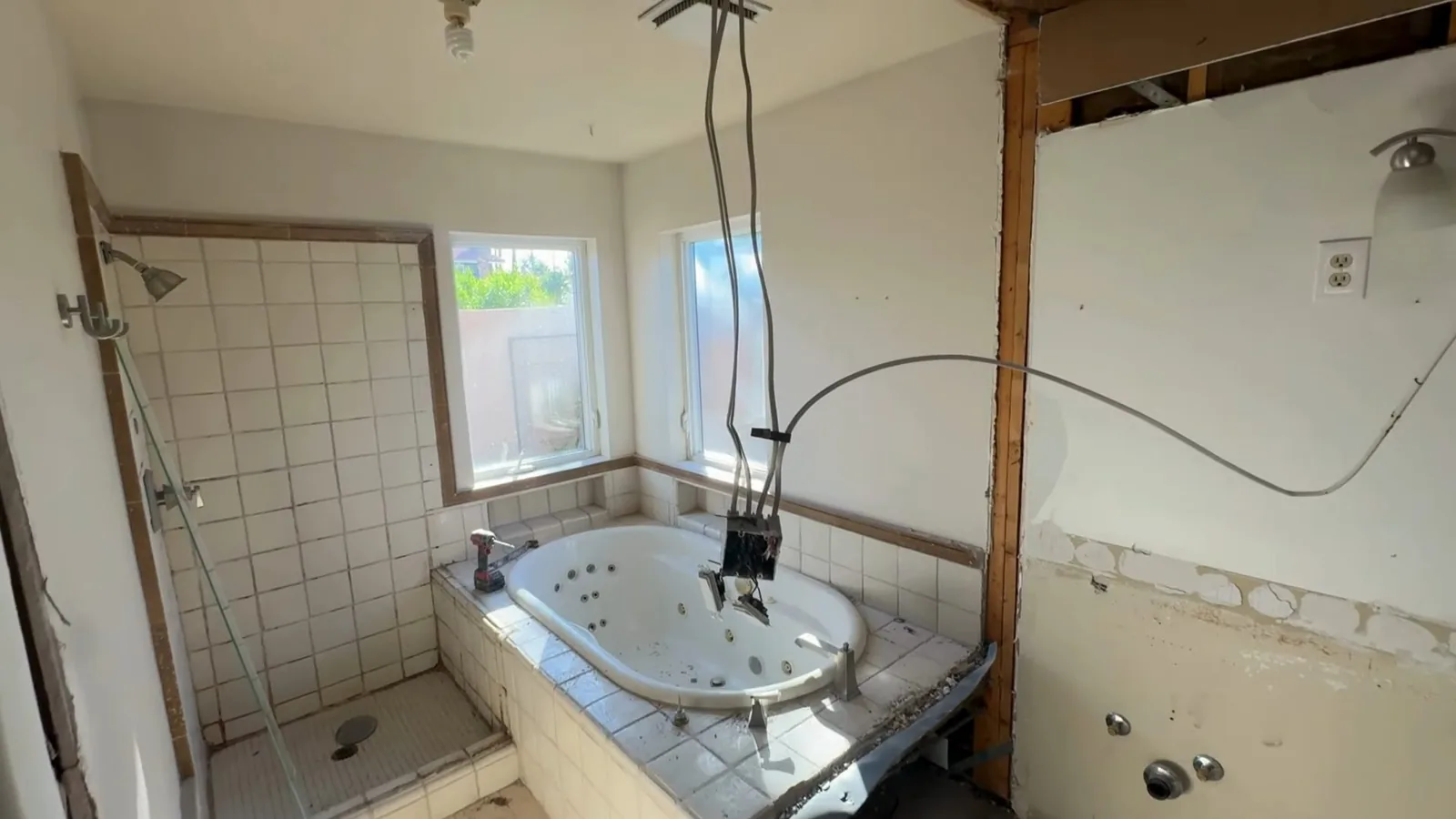
First
Before any drying starts: stop the source and stay safe
Drying a house with a running leak is pointless. The first job is to stop the water and make the space safe. Water can be a shock hazard and a slip hazard, and it can weaken ceilings and floors.
- Close the main shutoff or the valve nearest the source.
- Stay away from standing water near outlets, panels and appliances, and leave the electrical power to a professional.
- Photograph everything before you move it.
- Lift and move what you safely can, such as rugs, small furniture and electronics.
The plumbing repair that stops the water belongs to the relevant repair page, such as fixing a burst pipe. This page covers what comes after.
Timing
Why wet drywall, wood and padding get worse each day
Wet materials do not stay a small problem. Drywall wicks water up, wood swells and warps, insulation holds water and carpet padding stays damp for a long time. The longer they stay wet, the more likely mold is.
That is why professional restoration emphasizes quick extraction and drying. Delay is the cost you can control.
Water still coming in? Close the main first, then call.
CALL NOW(336) 388-6216The process
How extraction and drying work
Extraction removes standing water with pumps and wet vacuums. Drying then removes the moisture held in materials, using air movers to carry moisture off surfaces and dehumidifiers to pull it out of the air.
Moisture meters show whether a material is dry, and a good contractor measures before, during and at the end, not by feel. Ask for the readings.
Drying equipment runs for days, not hours, and the number of days depends on the materials and the amount of water.
By material
Carpet, hardwood, ceilings and walls: what each needs
Carpet and padding: carpet can sometimes be dried in place if the water was clean and caught early. Padding is usually removed because it holds water and is inexpensive to replace.
Hardwood: boards swell and cup when wet. Quick drying can save some floors, but others have to be replaced. Do not seal wet wood.
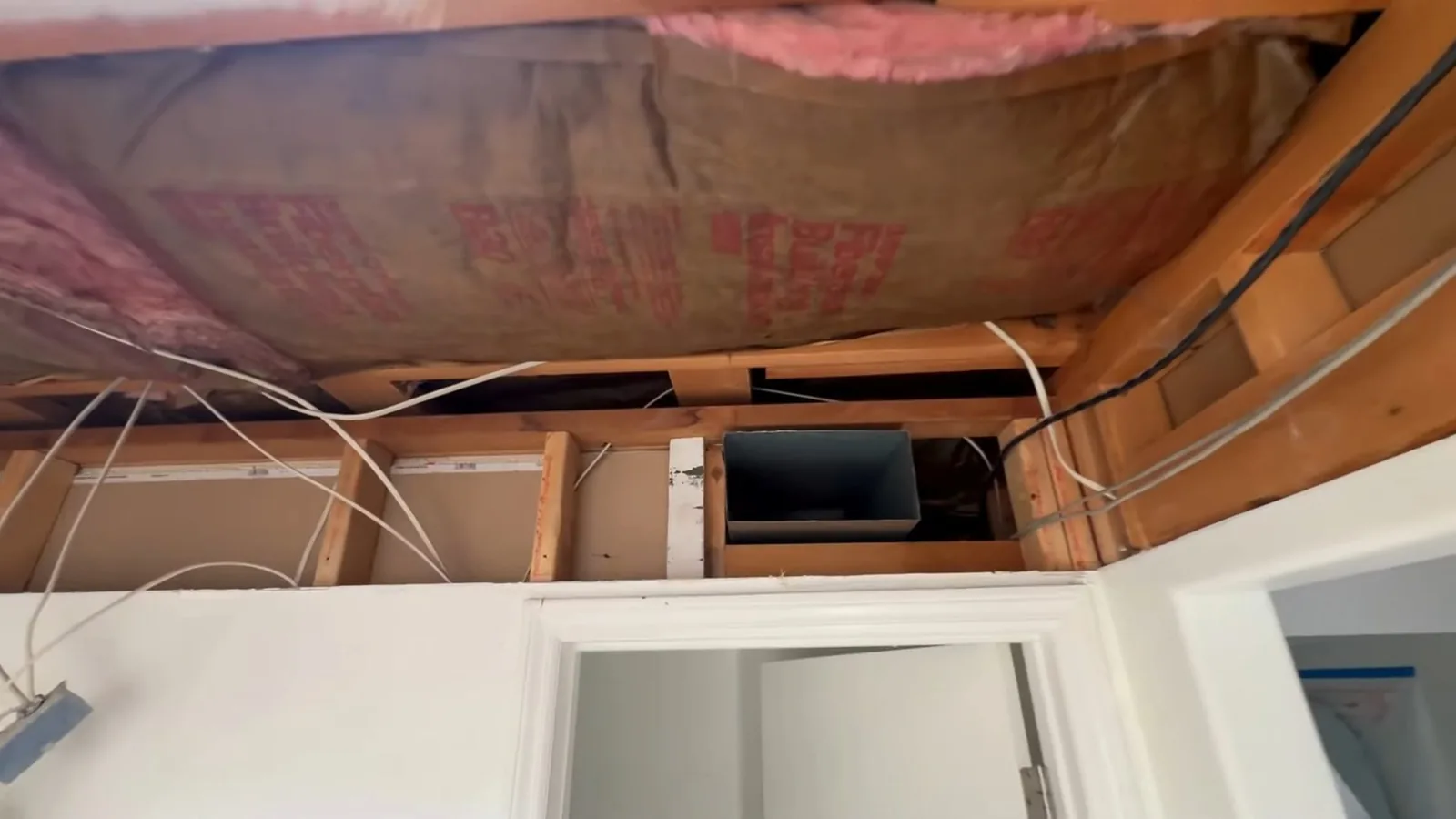
Ceilings: a wet ceiling can sag and fall. Drywall that is soaked or bulging often has to be cut out, and insulation above it checked.
Walls: drywall soaks upward. A contractor may cut a flood cut, removing the bottom section, to let the wall cavity dry. Baseboards often come off for the same reason.
Sewage
When the water is sewage
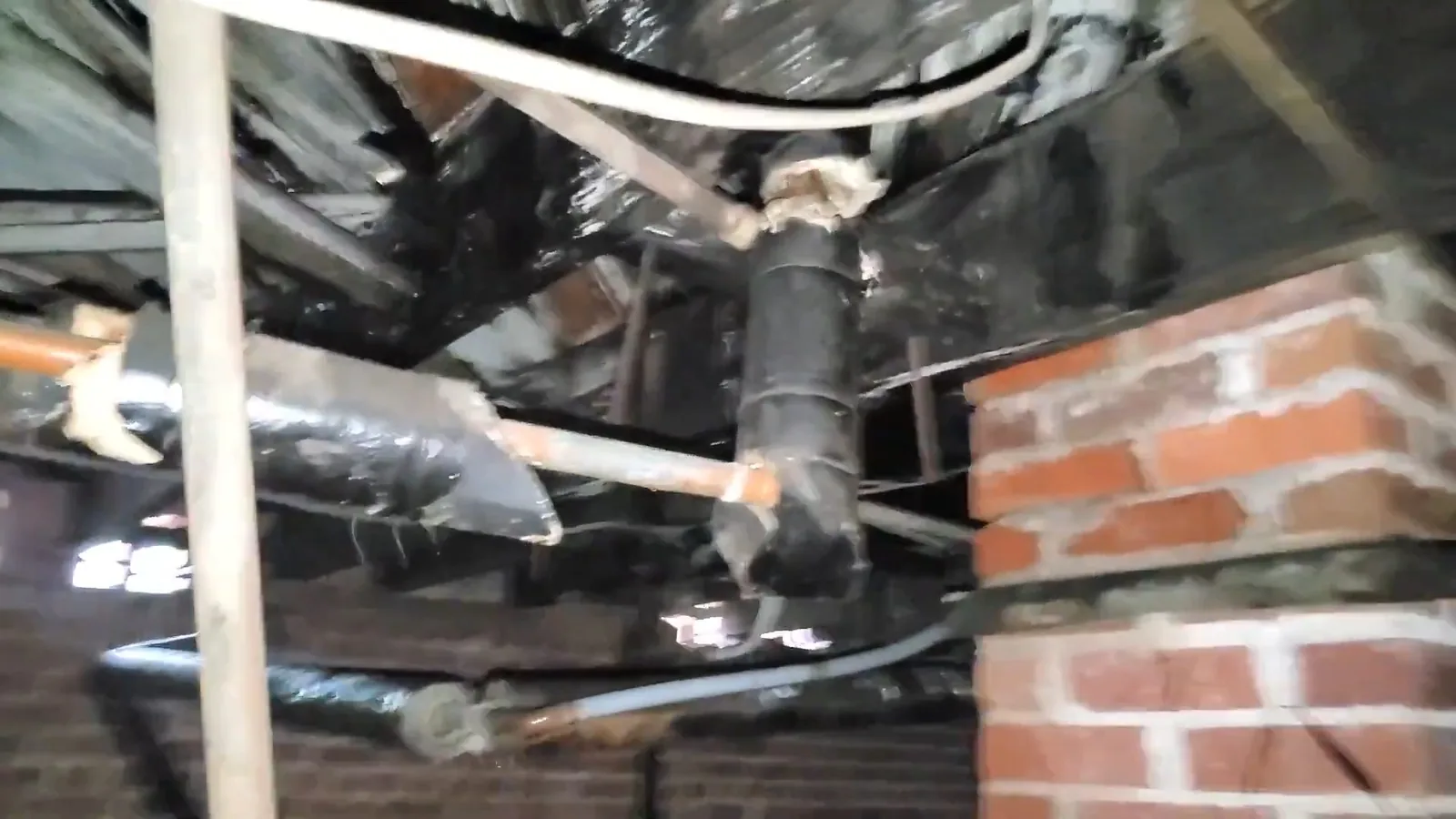
Water that comes from a sewer backup is not clean. It can carry bacteria and should be handled by professionals using protective gear. Porous materials that have been soaked in sewage are generally discarded, not dried.
If you are connected to the Winston-Salem/Forsyth County Utilities system, its sewer backup process tells homeowners to call CityLink at 336-727-8000 before cleanup begins, because delay can affect a claim. The utility's page does not name Clemmons, so confirm your address with CityLink.
Stop using water in the house. The causes and the line repair are covered on the sewer line page.
Mold
Mold after water damage: what is and is not realistic
Mold needs moisture and time. Wet drywall, carpet, ceiling tiles and the back of baseboards are common places. A musty smell with no visible mold can mean it is behind a wall.
Mold remediation removes affected materials and cleans surfaces, and then fixes the moisture source. Spraying a wet area with a product does not fix a moisture problem. Ceilings and basements are both common sites, and a basement that stays damp needs the water source addressed, as discussed on the damp basement page.
Ask any contractor who offers remediation for a written scope, the area affected and what happens to the removed material. Do not accept a promise that mold is gone without a plan to keep the area dry.
Paperwork
Documenting damage for insurance
Keep dated photographs from before cleanup, the plumber's written findings on the cause, moisture readings, receipts and a list of what was damaged. Ask your insurer before major removal starts. Policies differ on what water damage and mold they cover. Nothing on this page promises coverage.
Belongings
Furniture, documents and electronics after water
Solid wood furniture can often be dried and saved. Upholstered pieces and particleboard usually cannot. Photographs, books and papers can be frozen to halt damage until a specialist can dry them, though not all can be saved.
Electronics that were wet should not be switched on. Have a technician check them. Keep a list of what was affected, with photographs, because insurers ask for it.
Next step
Calling about water damage
Tell the dispatcher where the water came from, whether it is stopped and how large the wet area is. The dispatch line routes your call to an independent plumber serving your area. This page covers removal and drying, not rebuilding. Ask what the scope covers and the price before agreeing. Ranges are on the cost page for water damage.
Questions
Water damage questions
What does water damage restoration cover?
Stopping the source, extracting standing water, drying structure and contents, removing materials that cannot be dried and addressing mold risk. It does not include rebuilding.
Can I dry my house myself?
Small, clean spills caught quickly, yes. Larger or older water needs measured drying, since wet materials hide moisture and mold follows.
What if the water came from a sewer backup?
Treat it as contaminated. Call CityLink first if you are on public sewer, stop using water, and leave cleanup to professionals.
Browse questions homeowners ask after water on one page.
Wet floors or walls after a leak?
Tell the dispatcher where the water came from and whether it is stopped, and the call will be routed to a plumber serving Clemmons.
TALK TO A PLUMBER(336) 388-6216