
Sewer line inspection, Clemmons NC
Sewer Line Inspection in Clemmons, NC: Whose Line Is It and What Fixes It?
Several drains are slow or sewage has backed up. Before anyone digs, the useful question is where the blockage or break is, and whose pipe it is.
Responsibility
Whose line is blocked: the utility's main or yours?
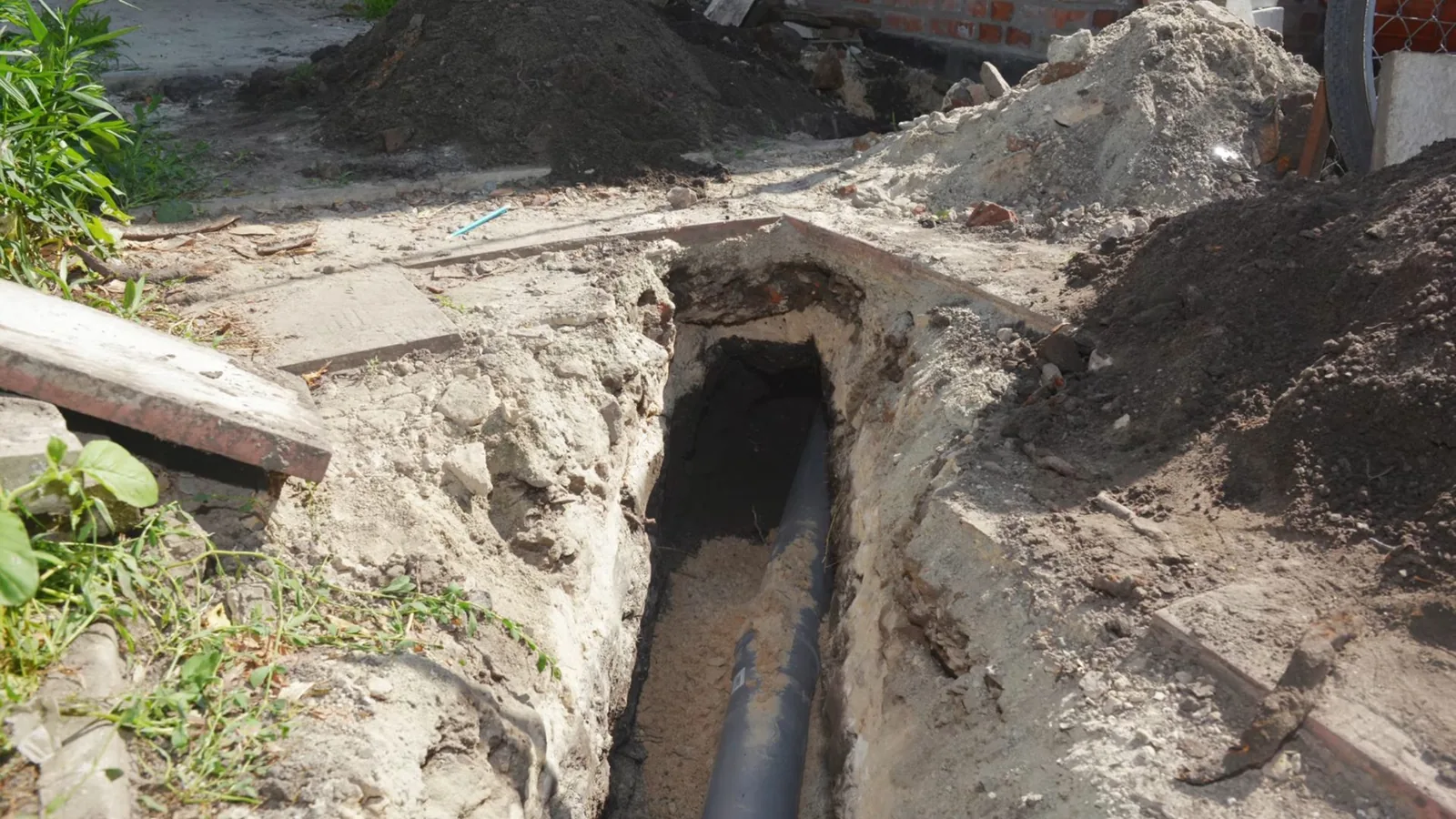
Your house connects to the public sewer through a service line. The public main runs below the street. The utility is generally responsible for the main, and you for the service line, though the exact split depends on where the connection and the cleanout sit.
The Winston-Salem/Forsyth County Utilities program covers a first-time blockage in the sewer main, not a blockage in the home's own service line. The utility cleans the accessible service line inside the public right of way. If there is no cleanout, or no water at it, the homeowner hires a plumber.
Homeowners are told to call CityLink at 336-727-8000 before cleanup begins, because delay can affect a claim. The utility's page does not name Clemmons, so confirm that your address is on its system. Homes on septic are outside this process.
After a backup
What the plumber should record after a sewer backup
The utility's backup instructions for plumbers describe the evidence it expects. Your plumber should:
- Clear the blockage all the way to the main, not just past the cleanout.
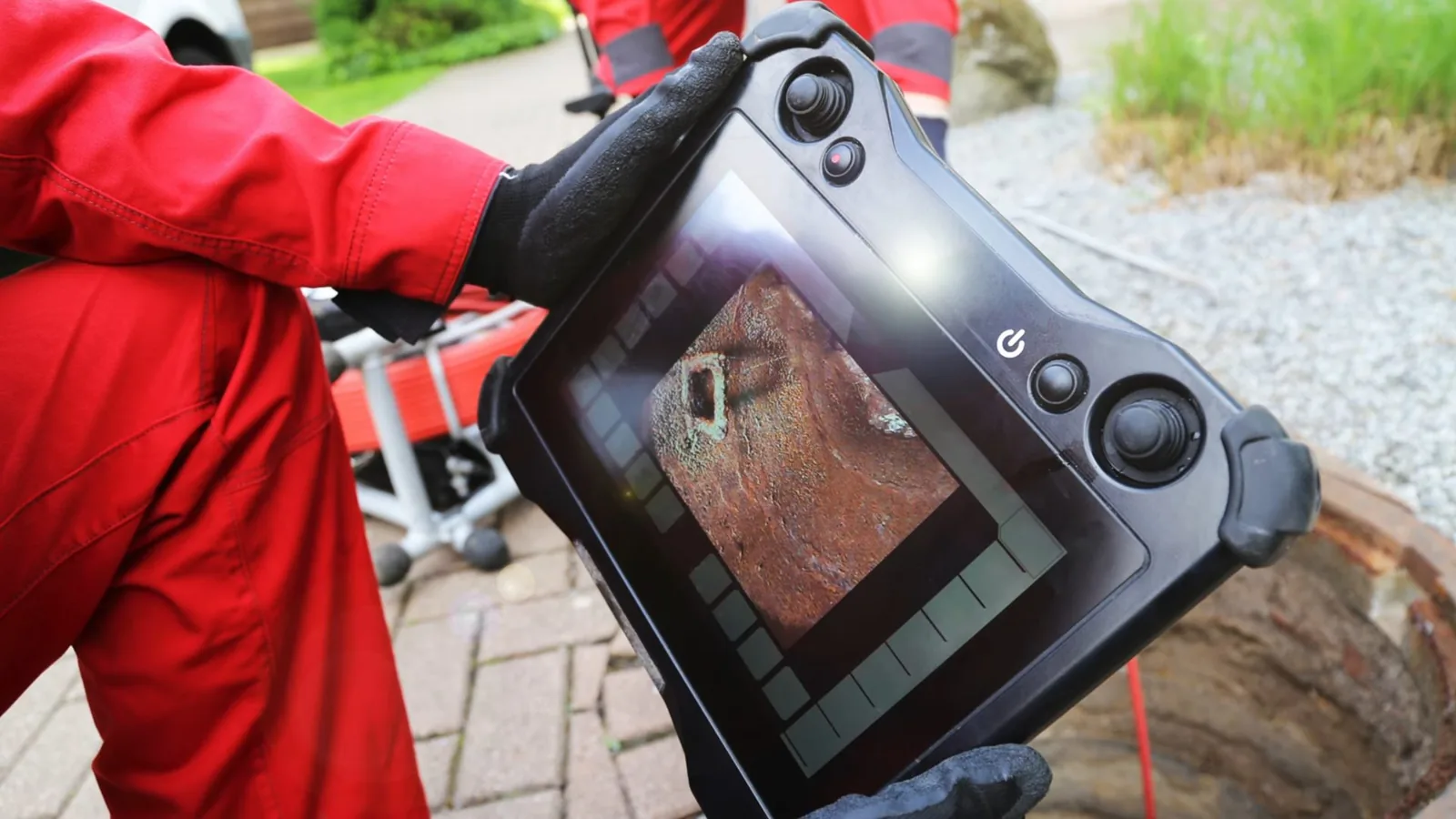
- Run a camera down the service line after clearing it.
- Note where any damage, root intrusion or offset sits.
- Send the footage and findings to the utility's field operations supervisor if the main may be involved.
Ask for a copy of the footage and any written findings, and keep them with your photographs and receipts. The utility does not reimburse the camera work if there is no damage in the right of way, so ask the plumber to explain the charge before the camera goes in.
Sewage backed up? Stop using water, call CityLink if you are on public sewer, then call.
CALL NOW(336) 388-6216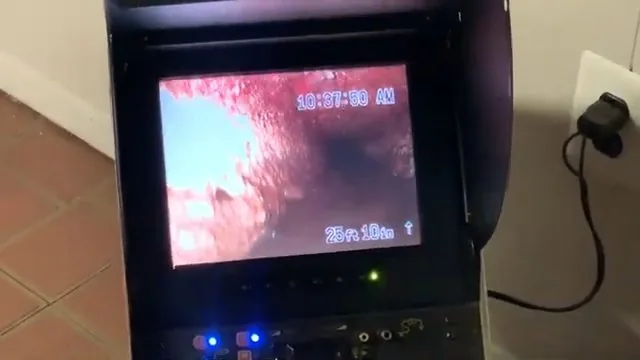
Inspection
What a sewer camera inspection shows
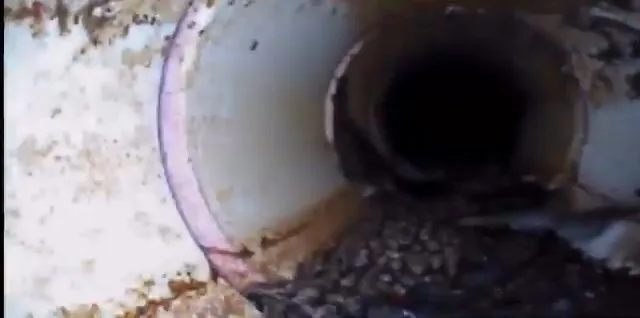
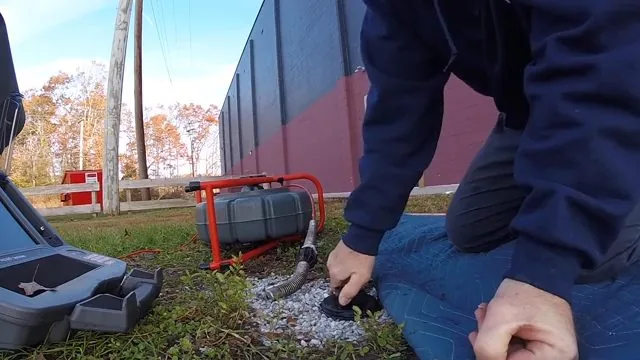
A camera on a flexible cable travels down the line and records what it sees. It can show roots entering at a joint, a section that has sagged and holds water, a crack, a collapse or a connection that has come apart.
A useful inspection ends with three things: footage you can watch, a distance or location marker for each problem and a written summary. A verbal "it looks fine" is not enough if you are making a repair or purchase decision.
Cleaning the line before the camera goes in is normal, since a blocked pipe cannot be seen through. A line that clears but fails again soon after points to a problem that cleaning will not fix.
Buying a house
A camera look before you buy
A standard home inspection does not usually cover the buried sewer line. If the house is older, has large mature trees near the line or has had repeated backups, a camera inspection before closing can show what you would be inheriting.
Ask for the footage and a written report, and share them with your agent or attorney. Findings may be worth raising before the sale closes.
Repair choices
Spot repair, replacement or lining: choosing the fix
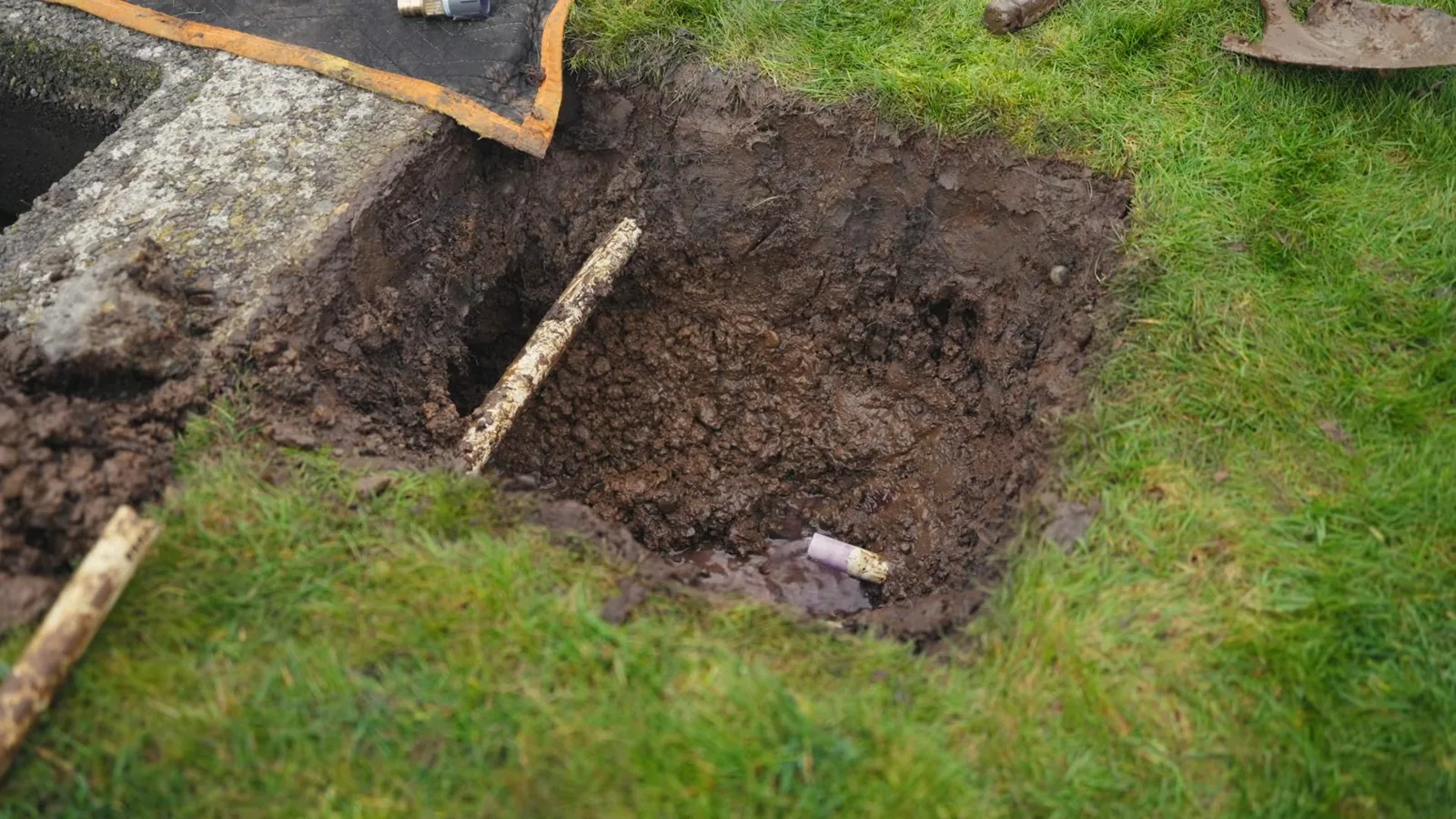
A localized crack, a root intrusion at a single joint or a short offset often calls for a spot repair. The plumber digs at the location the camera marked, replaces the short section and reconnects.
Widespread root damage, long runs of cracked or collapsed pipe or a pipe that has sagged over a long distance points toward replacement of the run.
Lining the pipe from inside avoids a trench in some cases. It does not suit every pipe, and the trenchless pipe lining page covers when it fits.
Ask the plumber to show where on the footage each recommendation comes from. If the repair is major, get the scope in writing.
Before digging
Calling 811 and locating a private line
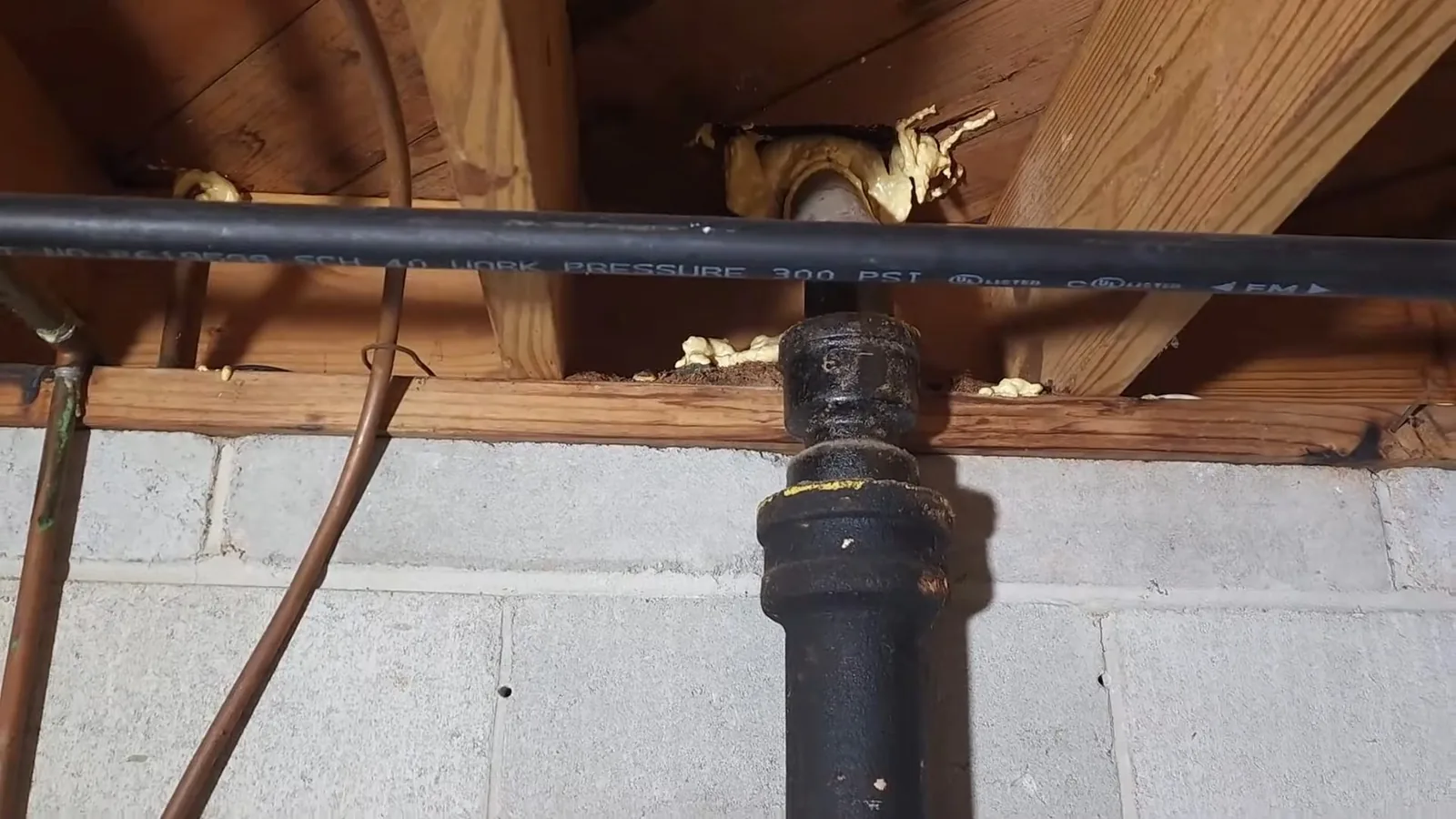
North Carolina 811 asks for three working days' notice before digging. Utilities mark their public lines at no charge, but they do not mark private lines on your property, and a sewer service line is usually private.
Ask your plumber who is making the 811 call and how the private line will be located. The answer affects the schedule, because digging cannot begin before the marking is done.
Where it starts
When it is the drain, not the sewer line
Not every backup is a sewer line problem. One slow fixture is usually a branch clog and is handled on the drain cleaning page. Several fixtures involved, or water coming up at the lowest drain, point to the line this page covers.
Next step
Calling about a sewer problem
Describe which fixtures are affected, when it started and whether sewage has reached the floor. If it has, say so first and stop using water. The dispatch line routes your call to an independent plumber serving your area. Ask for the price before you agree. Price ranges for sewer work are on the sewer cost ranges.
Questions
Sewer line questions worth asking before work begins
Is a sewer backup my responsibility or the utility's?
It depends on where the blockage sits. The utility's program covers a first-time blockage in the sewer main, not in your service line. If you are connected to its system, call CityLink at 336-727-8000 before cleanup begins.
What does a sewer camera inspection show?
Roots, cracks, offsets, sags and collapses. Ask for footage, a location marker for each problem and a written summary.
Do I need to call 811 before a sewer repair?
North Carolina 811 asks for three working days' notice before digging. Public lines are marked, private ones are not, so ask your plumber how the service line will be located.
Browse other homeowner questions on one page.
Several drains slow or sewage on the floor?
Describe which fixtures are affected, and the call will be routed to a plumber serving Clemmons.
TALK TO A PLUMBER(336) 388-6216