
Slab leak detection, Clemmons NC
Slab Leak Detection in Clemmons, NC and What Comes After
A bill that jumps, a warm patch on the floor, or water running when everything is off. If the pipe is under a concrete floor, the first job is finding it without tearing up the house.
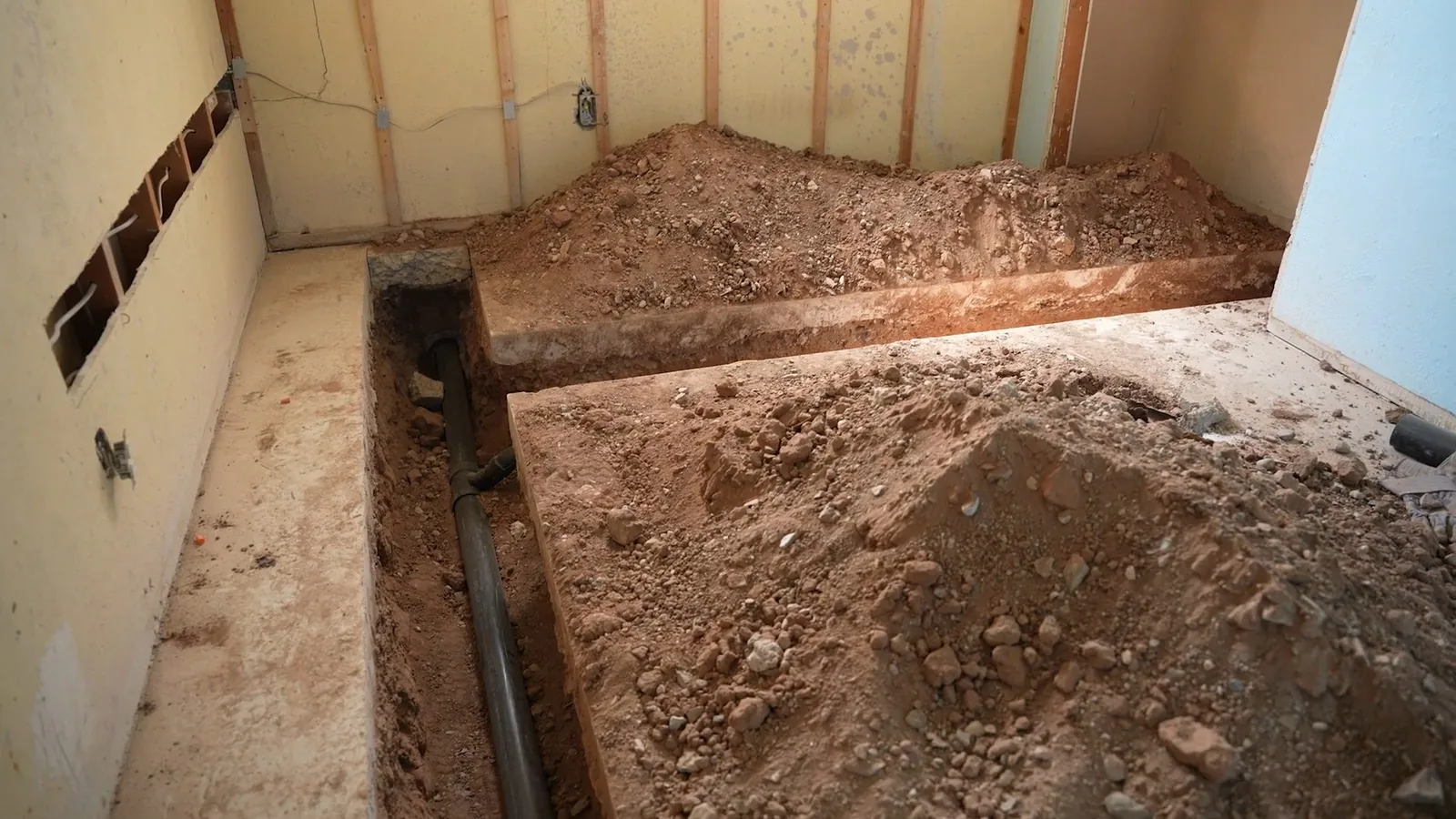
Signs
Signs the leak may be under the floor
A slab leak is a leak in a pipe that runs beneath or inside a concrete floor. You cannot see it, so you notice what it does to everything around it.
Not every house has this setup. Some Clemmons homes sit on crawl spaces or basements, where pipes are reachable from below, and foundation types vary from street to street. If you are not sure what your house sits on, say so on the call and the plumber will check.
- The water bill rises with no change in how you live.
- You hear water running when every tap and appliance is off.
- A patch of floor feels warm, or a hot-water line seems to lose heat quickly.
- Flooring lifts, stains or feels damp for no clear reason.
- Hot water arrives slowly or the water heater runs more often.
Any one of these can have a simpler cause. Together, they justify a proper check.
Do this first
The meter check that tells you whether to keep looking
Before anyone is called out, you can learn a lot from the water meter.
- Turn off every tap and appliance that uses water.
- Find the meter and watch the leak indicator or the dial. Movement means water is going somewhere.
- Close the main shutoff at the house and look again. If the meter stops, the leak is inside the house. If it keeps moving, the leak is between the meter and the house, in the yard or the service line.
The check cannot say whether the leak is under the floor, in a wall or in the yard. It narrows the search and saves a visit spent looking in the wrong place. Tell the dispatcher what you saw.
A leak between the meter and the house is a different job from one inside it, and the general page on finding hidden water leaks covers both.
Meter still moving with everything off? Tell the dispatcher what you saw.
CALL NOW(336) 388-6216Pinpointing
How a plumber finds it without breaking the floor
Modern leak location is mostly about listening, measuring and mapping before any cutting. The usual tools fall into three groups.
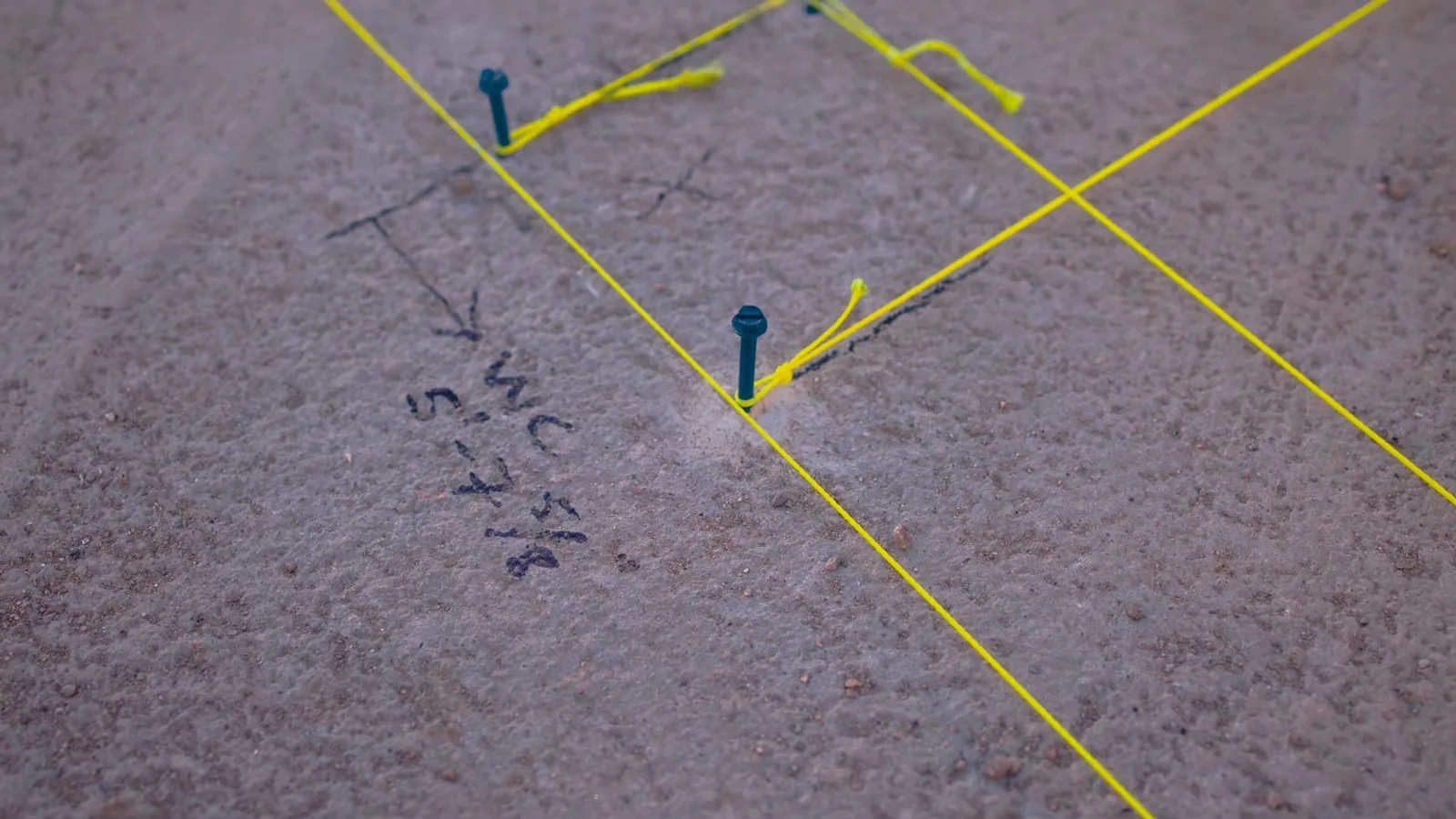
Acoustic listening picks up the sound a pressurized leak makes through the pipe and the concrete. Thermal imaging shows warm patches where a hot line is leaking. Pressure testing isolates sections of pipe to see which one loses pressure.
Which method fits depends on the pipe, where it runs and whether the leak is on the hot or cold side. A good plumber uses more than one to confirm the spot before cutting.
Ask which method will be used, whether you will receive the finding in writing, and what the plan is if the first reading is uncertain. A marked spot on the floor with a photograph is useful for your insurer too.
Repair choices
Fix it in place, reroute it, or replace the line
Once the leak is located, there are generally three ways forward, and the right one depends on the pipe's age, its route and how many leaks it has had.
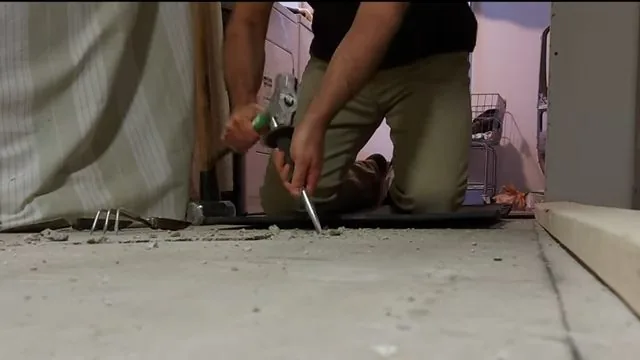
A spot repair opens the floor at the leak, fixes the pipe and patches the slab. It suits a single, clearly located failure in a pipe that is otherwise sound.
A reroute abandons the leaking run and installs a new line, often overhead through the attic or walls, so the slab stays intact. It tends to suit a pipe with a history of leaks or one that is hard to reach.
Replacing a longer section, or the whole supply line, is the bigger step. It makes sense when the pipe is failing in several places, and when leaks keep returning in an old house, repiping the whole house is the version of this step worth pricing.
Ask the plumber to explain why each option does or does not suit your house, and what it does to your floors and walls. Relining a pipe without digging is covered under no-dig pipe repair, which applies mostly to drain and sewer lines.
The bigger question
When a slab leak becomes a foundation question
Water that escapes under a slab can wash out or soften the ground beneath it. Left for a long time, that can leave a floor that sinks, cracks or tilts.
Soil and slab construction differ from house to house, and a foundation specialist, not a plumber, is the right person to judge whether a house has moved. What a plumber can do is tell you how long the leak has likely been running and how much water was involved, which matters to whoever assesses the structure.
New cracks in a floor or wall, doors that start to stick, or gaps opening at the baseboard are worth reporting alongside a leak. Say so on the call.
Paperwork
Insurance and your paperwork
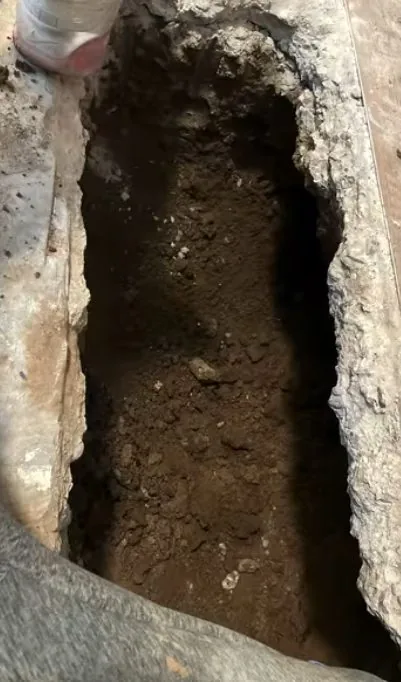
Policies differ on whether they cover the leak itself, the damage it caused, or only the cost of reaching the pipe. Ask your insurer before repairs begin, not after.
Keep what helps a claim: dated photographs, the water bills before and after, the plumber's written finding and every receipt. If a restoration step is needed afterwards, see water damage restoration.
Nothing on this page promises coverage. It only helps you gather what a claim usually asks for.
Next step
Calling about a suspected slab leak
Tell the dispatcher what the meter did, where the floor feels warm or damp, and how long the bill has been rising. The dispatch line routes you to an independent plumber serving your area. Ask for the price before you agree, and ask what the diagnosis includes. What these repairs usually cost is on the cost page.
Questions
Slab leak questions, answered plainly
What are the signs of a hidden slab leak?
A rising water bill, the sound of running water with everything off, warm spots on the floor, damp flooring and a water heater that seems to run constantly. A meter check can show whether water is leaving the system when nothing is in use.
How is a slab leak found without breaking the floor?
Plumbers combine listening equipment, thermal imaging and pressure tests to narrow the location before cutting. Ask which method will be used and whether you will get the finding in writing.
Does a slab leak mean my foundation is damaged?
Not necessarily. A long-running leak can soften soil under a slab, but many are found early. Report new cracks, sticking doors or sloping floors, and have a structural professional assess those.
Browse more questions and answers on one page.
Bill climbing or floor feeling warm?
Describe the meter check and where the floor feels different, and the dispatcher will route the call.
TALK TO A PLUMBER(336) 388-6216