
Leak detection, Clemmons NC
Water Leak Detection Services in Clemmons, NC: Find the Source Before You Dig
Water you cannot see is still costing money. A rising bill, a stain that keeps returning or a meter that moves with everything off all point to a leak somewhere.
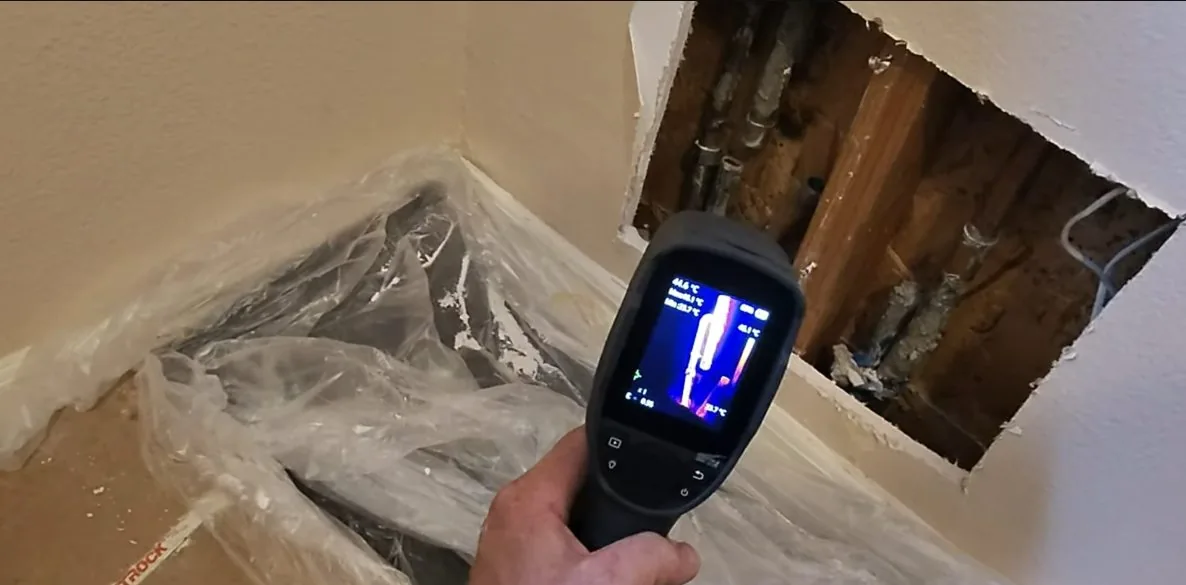
Early signs
Common signs of a leak you cannot see
Most leaks announce themselves long before a ceiling comes down. The skill is noticing the small things and acting on them.
- A water bill that rises without a change in how you live.
- The sound of running or dripping water when everything is off.
- Stains, bubbling paint or a musty smell on a wall, ceiling or floor.
- Low water pressure at one fixture or throughout the house.
- A patch of lawn that is soggy or unusually green when it has not rained.
- The meter moving when every tap and appliance is off.
Any one of these can have another cause. More than one, or one that persists, is worth checking.
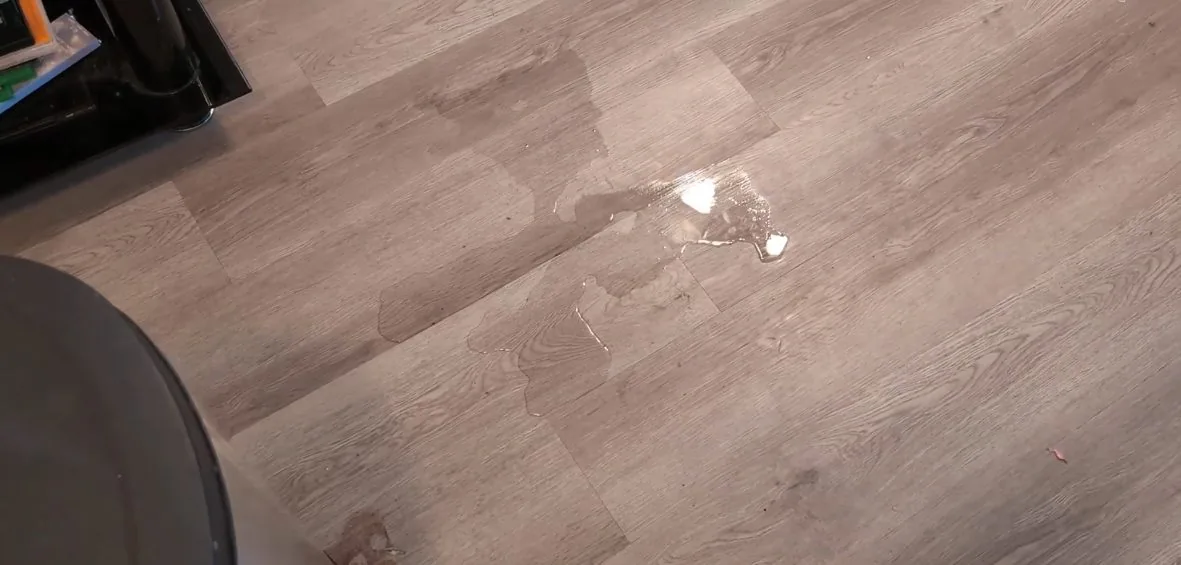
First check
The meter check that sorts inside from outside
The water meter is the most useful tool you already own.
- Turn off every tap and appliance that uses water, including the ice maker and any irrigation.
- Read the meter or watch its leak indicator. Movement means water is going somewhere.
- Close the main shutoff at the house and look again. If the meter stops, the leak is inside the house. If it keeps moving, the leak is between the meter and the house.
The check cannot say exactly where. It tells you which half of the system to search, and that saves a visit.
Meter moving with everything off? Tell the dispatcher what you saw.
CALL NOW(336) 388-6216Where leaks hide
Walls, ceilings, roofs, gutters and basements
A ceiling stain is not always a plumbing leak. It can be a roof or gutter problem, condensation on a cold pipe, or a supply line in the floor above. Which one it is decides who should fix it.
A plumber looks at the timing. A stain that grows when someone showers upstairs points to plumbing. One that grows after rain points to the roof or gutters.
In a basement or crawl space, damp walls and floors can come from a pipe, from groundwater or from condensation, and the page on damp basement causes and fixes sorts those apart. Foundation types differ from house to house, so the first step is to look for where the water starts and whether it relates to rain or to water use.
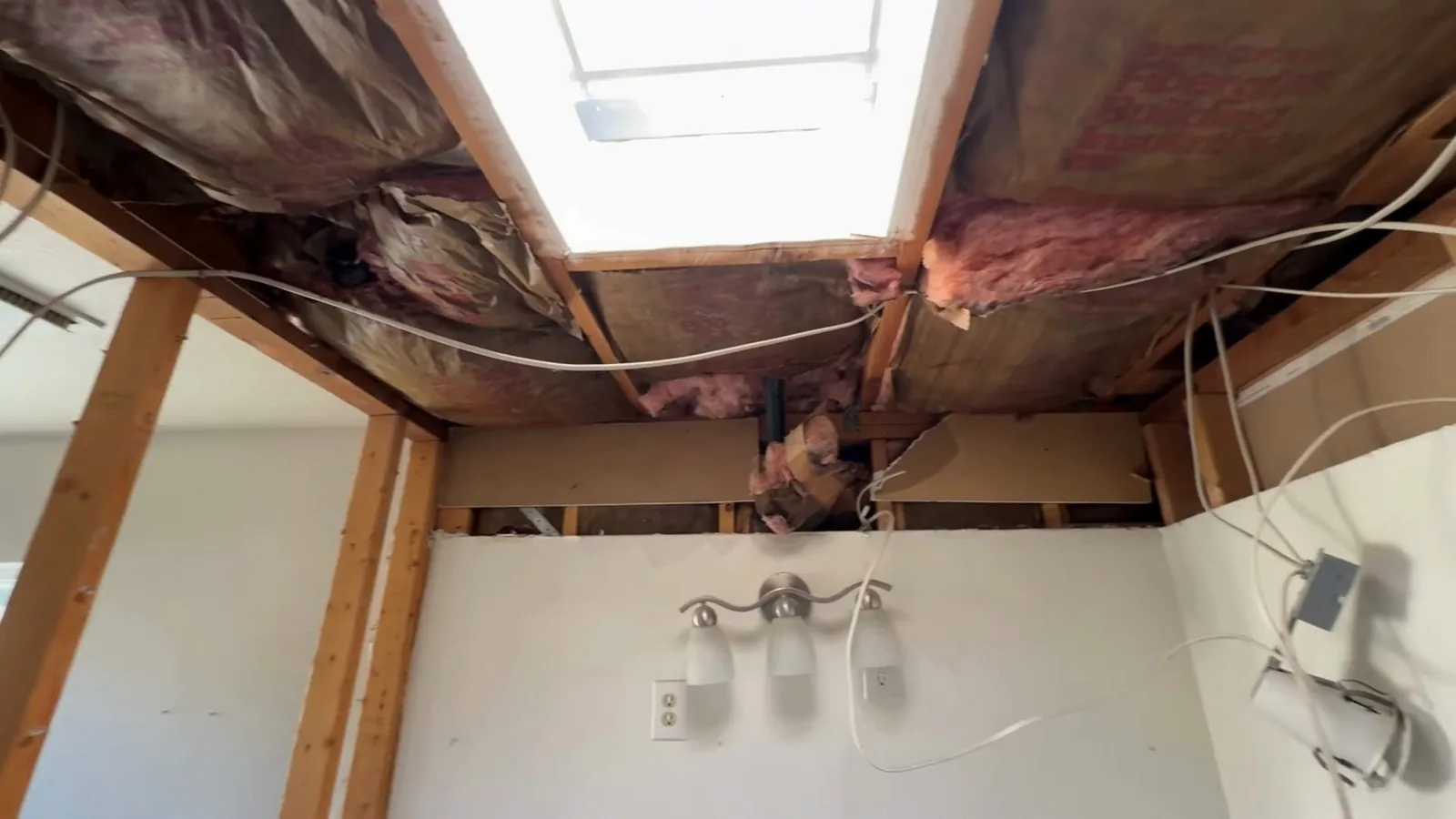
Outdoors
Pools, irrigation and the service line
A pool or an irrigation system can leak without any sign inside the house. For irrigation, turn the system off and repeat the meter check. If the meter stops, the irrigation lines are the likely source.
A pool that loses water faster than evaporation explains may have a leak in its plumbing, return lines or shell. A simple bucket test, comparing the water loss in the pool with a bucket left beside it, can help tell evaporation from a leak.
A leak between the meter and the house shows up as a moving meter with the main closed. A wet patch in the yard, a sunken spot or a sudden drop in pressure all point to it. Before any digging, call 811. Sewage-side trouble is a separate subject, covered under buried sewer pipe checks.
Safety
If the smell is gas, not water
A gas leak is a different emergency. If you smell gas, or hear a hiss near a gas appliance or line, leave the building at once. Do not use switches, phones or flames inside. Call the gas utility or 911 from outside.
A plumber can inspect and test gas piping in the house once the utility has made it safe. Detecting a gas leak is not a task to try with soapy water while the smell is strong.
Pipe material
Pinhole leaks in copper and what to ask
Tiny pinhole leaks in copper pipe show as small stains, dripping or green deposits at the pipe. Causes vary. Water chemistry, age and installation all play a part, and several pinholes close together can mean the pipe is wearing out.
The Winston-Salem/Forsyth County Utilities 2025 report lists pH between 6.4 and 8.0 and says orthophosphate is added for corrosion control, for its system. It does not name Clemmons. Ask the plumber what evidence points to the cause in your house, not the average.
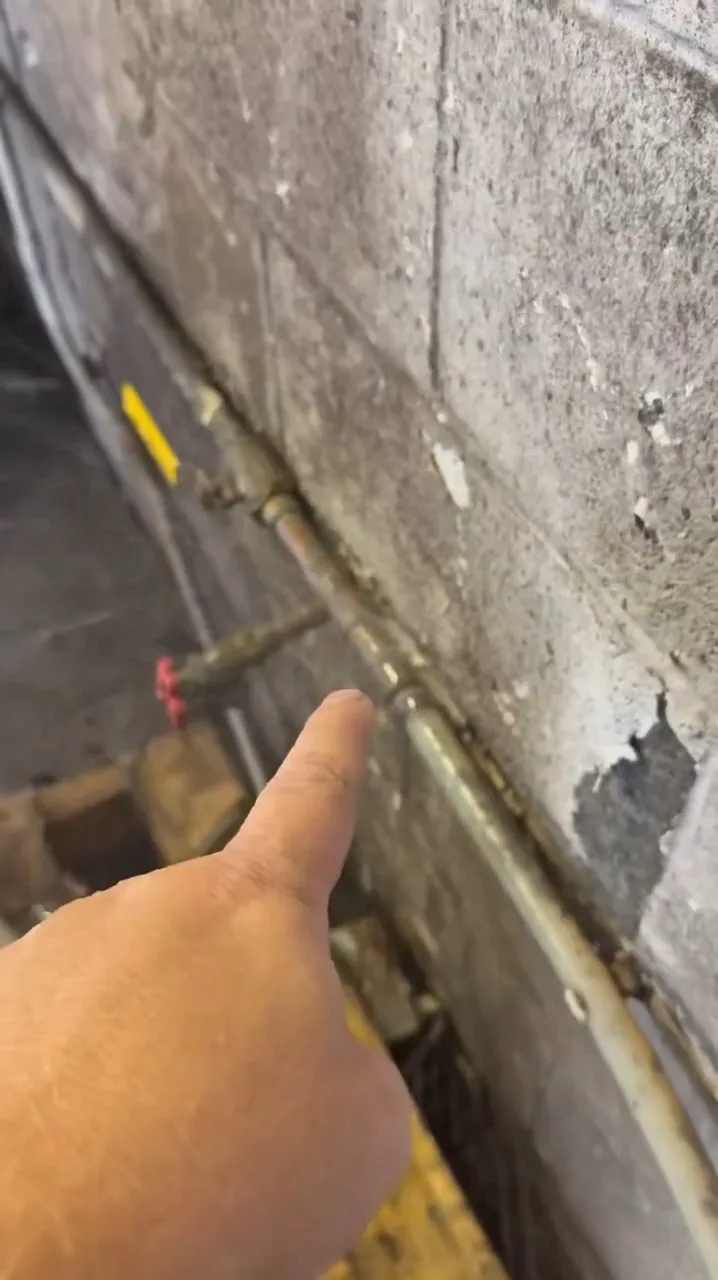
Detection
How a plumber pinpoints a hidden leak
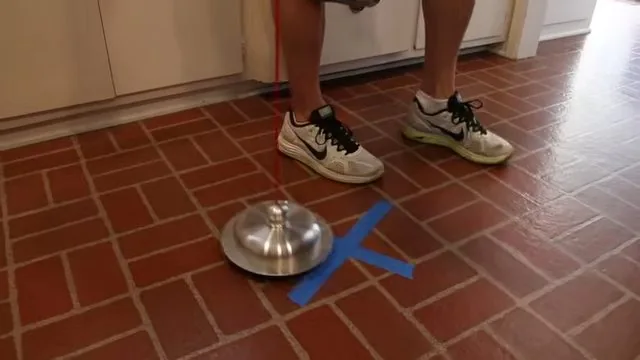
Plumbers combine acoustic listening, which picks up the sound of pressurized water escaping, electronic tracing, thermal imaging for warm patches from a hot line and pressure testing of isolated sections.
Ask which methods will be used, whether the plan avoids cutting until the spot is confirmed and whether you will get the finding in writing. Leaks beneath a concrete floor are covered on the slab leak page, and a leak that has burst is on the burst pipe page.
The cost of waiting
What ignoring a small leak does
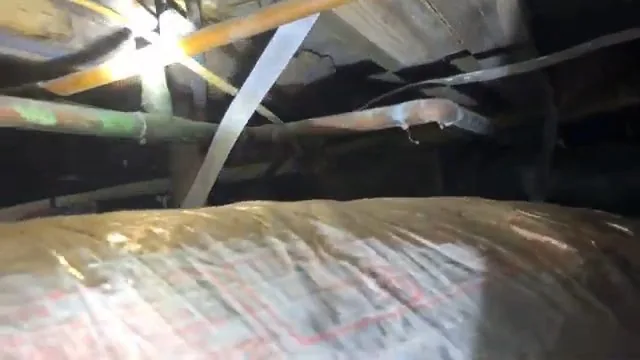
A small leak keeps running. It adds to the water bill, rots wood, loosens flooring, feeds mold and can wash soil from under a slab. The repair that was small stays small only if it is caught early.
If damage has already happened, the page on drying and removal after water damage covers the next step.
Next step
Calling about a suspected leak
Tell the dispatcher what the meter did, where you see signs and how long they have been there. The dispatch line routes your call to an independent plumber serving your area. Ask for the price before you agree, and for what the diagnosis includes. Typical ranges are on the leak detection cost ranges.
Questions
Leak detection questions
I shut the outside valve and still hear water. Where do I look?
Do the meter check. If the meter keeps moving with the house main closed, the leak is between the meter and the house. If it stops, the leak is inside.
How much does leak detection cost before anyone comes out?
Ask for a price range before agreeing to a visit and ask what the diagnosis includes. Typical ranges are on the cost page.
Could the stain be from the roof and not a pipe?
Yes. A stain that grows after rain points to the roof or gutters, and one that grows when someone uses water upstairs points to plumbing.
Browse the questions homeowners ask most on one page.
Bill climbing or a stain spreading?
Describe the meter check and the signs, and the call will be routed to a plumber serving Clemmons.
TALK TO A PLUMBER(336) 388-6216