
Commercial plumbing, Clemmons NC
Commercial Plumbing in Clemmons, NC: Repairs, Records and Working Around Open Hours
A restroom is out of order, a kitchen drain has backed up or a leak is in the ceiling over the sales floor. Business plumbing has more parties involved and less time to waste.
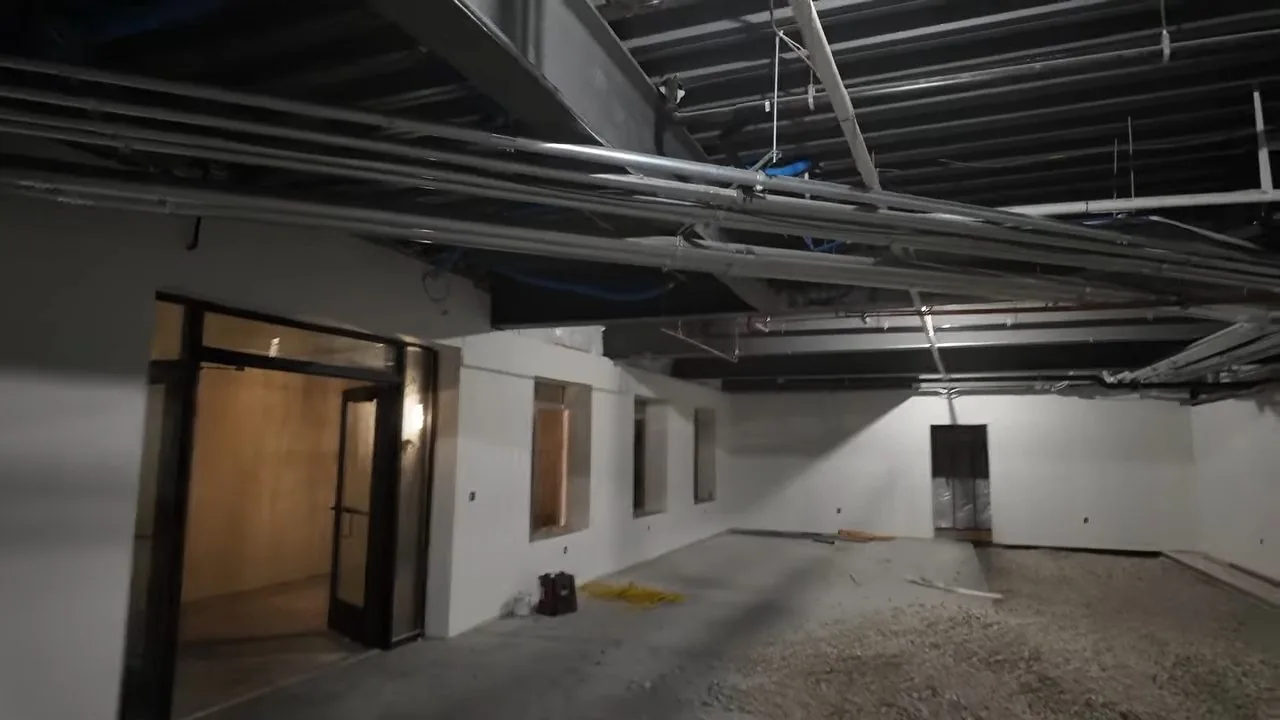
Responsibility
Whose plumbing is it, yours or the landlord's?
In a leased space, the first question after a leak is who pays and who orders the work. Leases differ, and plumbers cannot settle it for you.
Read the lease for the sections on repairs, building systems and emergencies. Many assign the supply and drain lines inside the walls to the landlord and the fixtures inside the unit to the tenant, but the actual wording decides.
Call the property manager before you order non-emergency work. In a true emergency, such as water you cannot stop, stop the damage first, then notify them with photographs.
Urgent
When a business plumbing problem cannot wait
Some problems close a business, and some only inconvenience it. Sort them early.
- Sewage or drain water on the floor: stop using fixtures and call now.
- A burst or spraying line: close the building's main shutoff and call.
- Restrooms out of service: customers and staff may need to be sent elsewhere, so tell the dispatcher.
- A slow drain or dripping tap: report it and book a visit.
For the full emergency checklist, see the page on emergency plumbing.
Water you cannot stop in your building? Close the main and call.
CALL NOW(336) 388-6216Food businesses
Restaurants and kitchens: grease lines and floor drains
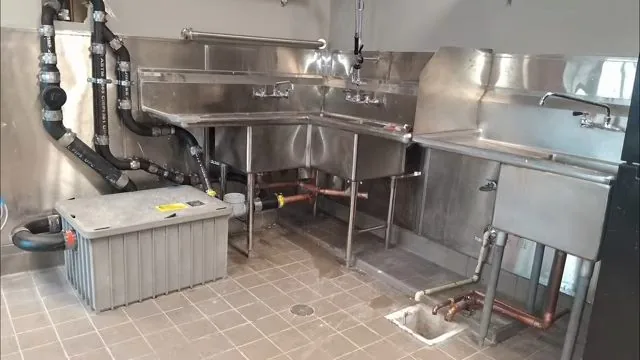
A kitchen sends grease, food solids and soap into its drains all day. The result is lines that narrow, floor drains that smell and backups that arrive during service.
If the building has a grease trap or interceptor, it needs regular emptying and cleaning, and records of that work are usually expected. What your own rules require is set by the local sewer utility and the building's permits, which this page cannot state for your address, so ask the utility and your landlord what applies to your address.
For recurring grease clogs, ask about scheduled line cleaning, which is described under pressure cleaning of drain lines, so a clog is not discovered mid-service.
Offices and retail
Offices, retail and clinics: restrooms, water heating and slow leaks
Most commercial plumbing calls from non-food businesses come down to the same few things. Restroom fixtures run constantly or clog. A water heater serving many people fails. A ceiling stain appears under a supply line. A drain is slow in a break room.
Many of these start small. A running toilet wastes water quietly, and a slow ceiling leak damages tiles and wiring before anyone sees water. Report them early, and ask the plumber what likely caused them.
Where a leak cannot be found by looking, the page on tracing leaks you cannot see explains how plumbers locate them without opening everything.
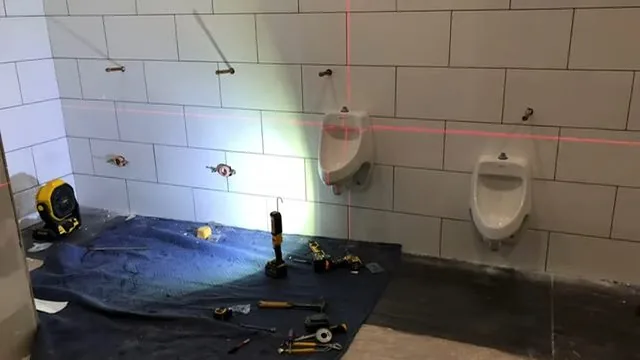
Upkeep
Preventive upkeep: what is worth scheduling
A short, regular checklist beats an emergency call. For most commercial buildings it covers:
Operating the main shutoff and the main fixture shutoffs once or twice a year so they do not seize. Inspecting water heater relief valves and drain pans. Checking under sinks and above ceilings near plumbing for stains. Running a camera or cleaning grease lines on a schedule that fits the kitchen's output.
Ask any plumber who offers a maintenance contract exactly what each visit covers and what is billed separately. A contract that only promises a visit is worth less than one that lists the checks.
Projects
Build-outs, renovations and new fixtures
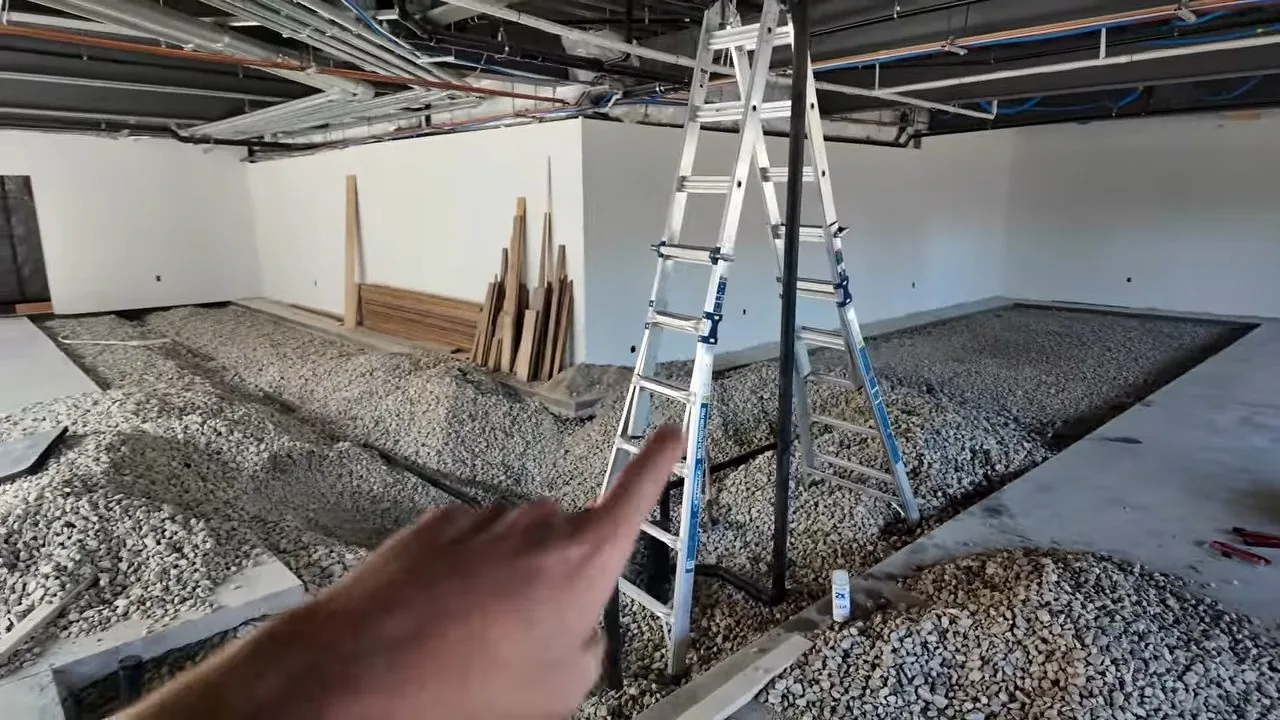
New tenant fit-outs, restroom renovations and kitchen additions involve new plumbing, and that is where permits come in. North Carolina's permit rules treat adding or changing plumbing differently from like-for-like repairs, and a commercial building has more requirements than a house.
Ask the contractor which permits apply, who pulls them and what inspections follow. A general contractor often coordinates this, but the plumber should know what is needed for their part.
Smaller jobs with a dedicated page include restroom toilet installation and repair and faucet and sink work.
Paper trail
Plumbing records to keep: shutoffs, service visits and scopes
Keep a folder for plumbing: the location of every shutoff, photographs of the main valve and any grease trap, the date and findings of each service visit, and the plumber's written scope for any larger job. When a landlord, an insurer or an inspector asks what was done and when, the folder answers it.
Mark shutoffs on the wall or a floor plan so staff can find them. In a real leak, the person on site is rarely the one who knows where the valve is.
On the phone
What to tell a plumber about your building
A good description helps the plumber bring the right equipment and reach the right person on arrival.
- Whether you own, lease or manage the space, and who authorizes work.
- The type of business, particularly if it serves food.
- Where the problem is, and whether the main is closed.
- Access: who will let the plumber in, and whether work can be done while the business is open.
The dispatch line routes your call to an independent plumber serving your area. Ask for the price and what the diagnosis includes. Common ranges sit on the cost breakdown for business jobs.
Questions
Business plumbing questions
Who pays for a plumbing repair in a leased space?
It depends on the lease. Many assign supply and drain lines in the walls to the landlord and fixtures inside the unit to the tenant, but read the wording and call the property manager before non-emergency work.
Does a restaurant need a grease trap?
Requirements are set locally. Ask the sewer utility and your landlord what applies to your address, and ask the plumber to document any grease line cleaning.
Can commercial plumbing work happen while we are open?
Sometimes. Tell the dispatcher whether the business is open and where the work is, so the plumber can plan access and noise.
Browse answers to common questions on one page.
Business plumbing problem? Describe it.
Tell the dispatcher about the building and the problem, and the call will be routed to a plumber serving Clemmons.
TALK TO A PLUMBER(336) 388-6216