
Garbage disposals, Clemmons NC
Garbage Disposal Installation in Clemmons, NC: Repair a Jam or Replace the Unit?
The disposal hums and does nothing, leaks into the cabinet or has stopped completely. A few safe checks tell you whether it is a jam, a leak or a dead motor.
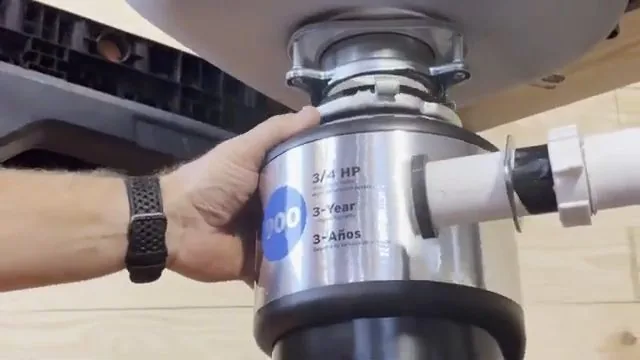
Jam
It hums but will not spin: clearing a jam safely
A humming disposal with nothing turning usually has a jammed grinding plate. A spoon, a bone or a fruit pit is often the cause.
Safety first. Never put your hand into a disposal, even when it is off. Switch it off at the wall switch, and unplug it or switch off its breaker under the sink if you can reach it.
- Look into the drain with a flashlight and pull out anything visible with tongs or pliers, never fingers.
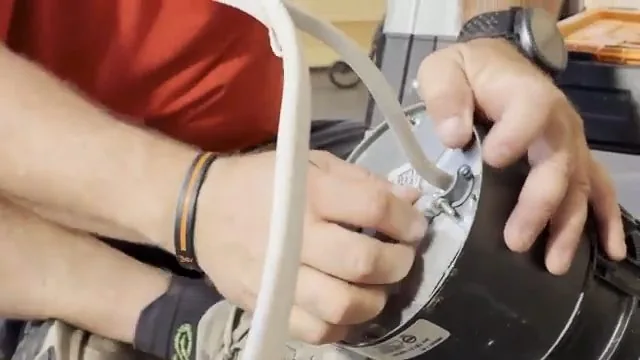
- Find the hex socket at the center of the underside of the unit and work an Allen key back and forth to release the plate.
- Press the red reset button on the underside of the unit, wait a few minutes, restore power and test with water running.
If the unit hums again or trips the reset repeatedly, the motor or its bearings may be worn.
Leaks
Where a leaking garbage disposal leaks from
A wet cabinet under the sink does not mean a bad disposal. Find the source before deciding.
Dry the area, then run water and watch. Water at the top, where the disposal meets the sink flange, points to a worn seal or the mounting. Water from the side, where the dishwasher hose or the drain pipe connects, points to a loose clamp or a cracked connection. Water from the body or the underside, often with rust, means the casing has failed.
The first two are usually fixable. A leak from the body is not repairable, and the unit needs replacing. Many sink leaks that are blamed on the disposal come from the faucet or the supply lines, which is covered on the page for leaking faucets and sinks.
Water in the cabinet under your sink? Dry it and note where it comes from.
CALL NOW(336) 388-6216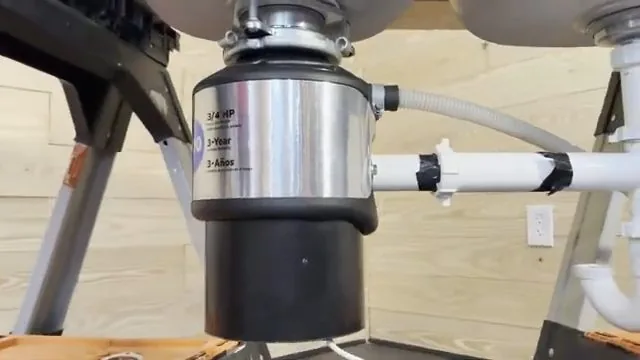
No power
Silent and dead: power, reset and the motor
A disposal that does nothing at all, not even a hum, is usually a power problem or a finished motor. Check the reset button first, then the switch and the breaker.
A unit that smells of burning, trips repeatedly or draws no power after a reset is usually near the end of its life. At that point, replacement usually costs less than a repair.
Decision
Repair it or replace it
Ask the plumber three questions. What has failed? How old is the unit? What would replacement cost compared with the repair? A jam or a loose connection is a quick fix on a sound unit. A casing leak or a worn motor is not.
Take the unit's horsepower, the number of people using the kitchen and the sink's setup into account when choosing a new one. A larger motor handles more, runs quieter and usually costs more.
Installation
What a disposal installation involves
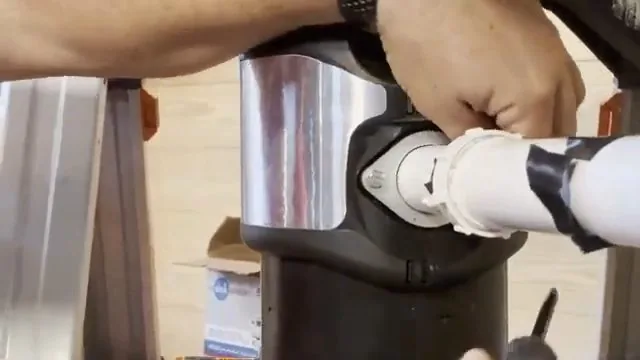
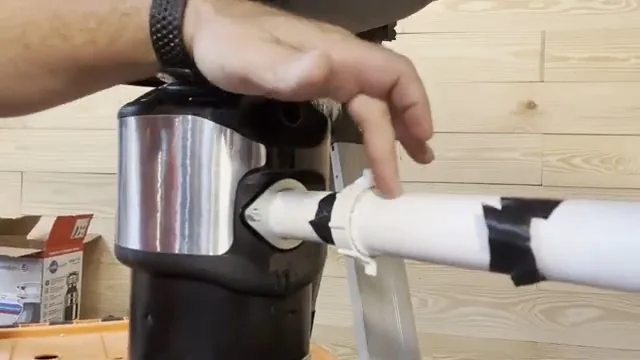
Installing a new disposal means mounting it under the sink flange, connecting the drain and, where there is a dishwasher, connecting its hose. If the dishwasher is connected, a knockout plug inside the disposal inlet must be removed so the dishwasher can drain. Forgetting this is the classic cause of a dishwasher that will not drain.
The unit also needs power, usually from an outlet under the sink or a hardwired circuit, with a wall switch. If neither exists, an electrician's work may be part of the job. Ask who does it.
Ask the installer to test the connections with water running and to leave the manual and warranty paperwork.
Prevention
What not to put down a disposal
Most disposal faults start at the sink. Keep out grease and oil, which solidify in the trap and downstream. Avoid fibrous waste such as celery, corn husks and onion skins, coffee grounds in large amounts, pasta, rice and bones.
Run cold water before, during and after use. If the kitchen drain slows afterwards, the clog may be downstream of the disposal, and the kitchen drain cleaning page covers that.
Sounds
Rattles, grinding and smells from a working disposal
A rattle usually means something hard is in the chamber, such as a bottle cap or a piece of silverware. Switch it off, cut the power and retrieve it with tongs.
A grinding sound with no waste in it can mean worn parts. A new, loud screech may be a loose mounting. A disposal that smells does not always need repair: grease and food film on the splash guard and the chamber walls cause most odors, and cleaning them helps.
Never use chemical drain cleaners in a disposal. They can damage the seals and the casing, and leave caustic water in the unit for the next person who works on it.
Buying
Choosing a replacement: motor size, feed type and noise
Disposals are sold by motor power. A smaller motor suits a one- or two-person kitchen with light use. A larger one handles heavier use and tougher waste, runs more smoothly and costs more.
Continuous-feed models run while you hold the switch on and add waste as they go. Batch-feed models run only when a lid is in place, which some households prefer for safety.
Sound insulation varies, and the better-insulated units are noticeably quieter. Ask about warranty terms and who services the unit if it fails.
Next step
Calling about a disposal
Tell the dispatcher what the unit does when you switch it on, where the water collects and how old the unit is. The dispatch line routes your call to an independent plumber serving your area. Ask for the price and whether the quote includes the new unit. Ranges are on the cost page for kitchen work.
Questions
Disposal questions
Can a garbage disposal be repaired or does it need replacing?
A jam, a loose connection or a worn seal is usually repairable. A cracked casing, a rusted body or a failed motor usually means replacement.
Is it safe to put my hand in a jammed disposal?
No. Switch it off and cut the power, then use tongs or pliers to remove anything you can see, and an Allen key on the underside to release the plate.
Why will my dishwasher not drain after a new disposal?
The knockout plug in the disposal inlet may not have been removed. Ask the installer to check it.
Browse more homeowner answers on one page.
Humming, leaking or dead?
Tell the dispatcher what the unit does, and the call will be routed to a plumber serving Clemmons.
TALK TO A PLUMBER(336) 388-6216