
Basement waterproofing, Clemmons NC
Basement Waterproofing in Clemmons, NC: Fix the Outside Water First
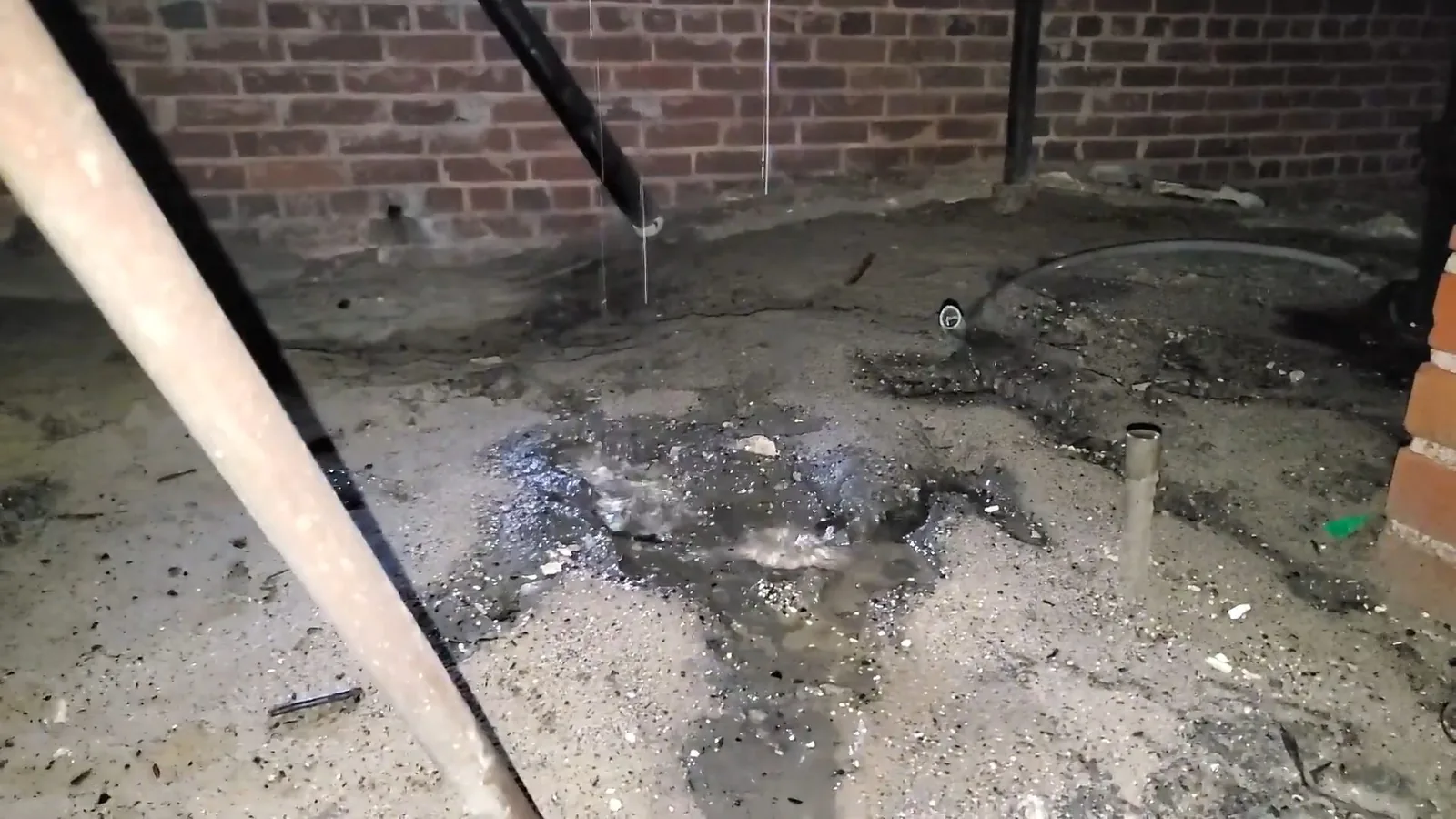
A damp smell, a white crust on the wall or water along the floor after rain. In a house with a basement or below-grade space, the work starts with where the water enters.
Start here
Does your house have a basement or a below-grade space?
Not every Clemmons house has a basement. Many homes sit on slabs or crawl spaces, and the right fix depends on which one yours has. If you are unsure, say so when you call.
This page covers below-grade moisture in basements and walkout lower levels, and where a crawl space or slab is involved, the same questions about where the water starts still apply.
Diagnosis
Rain, plumbing or humidity: telling the water sources apart
Three different problems look alike on a damp basement floor.
- Water that appears after rain and recedes as the ground dries is groundwater or surface water entering through walls, the floor joint or a window well.
- Water that appears with no relation to rain, and increases when someone uses a bath or washing machine, is a plumbing leak.
- Dampness, a musty smell and condensation on cold pipes and walls in humid weather is humidity, not entry.
A plumbing leak is a leak detection job. See tracing a leak behind walls and under floors if the timing points to pipes.
Water along the floor after rain? Note where it enters before you call.
CALL NOW(336) 388-6216Outside first
Gutters, downspouts and grading: fix these before interior work
The simplest waterproofing is keeping water away from the wall. Look at three things before paying for interior work.
Gutters and downspouts: clogged or short downspouts dump roof water right at the foundation. Extend them away from the house. Grading: the ground should slope away from the wall, not toward it. Window wells: they should drain and be covered where possible.
Fixing these does not promise a dry basement, but it removes the commonest cause and tells you what is left.
Interior options
What an interior drain and a vapor barrier do
When water enters despite outside fixes, interior systems manage it rather than keep it out.
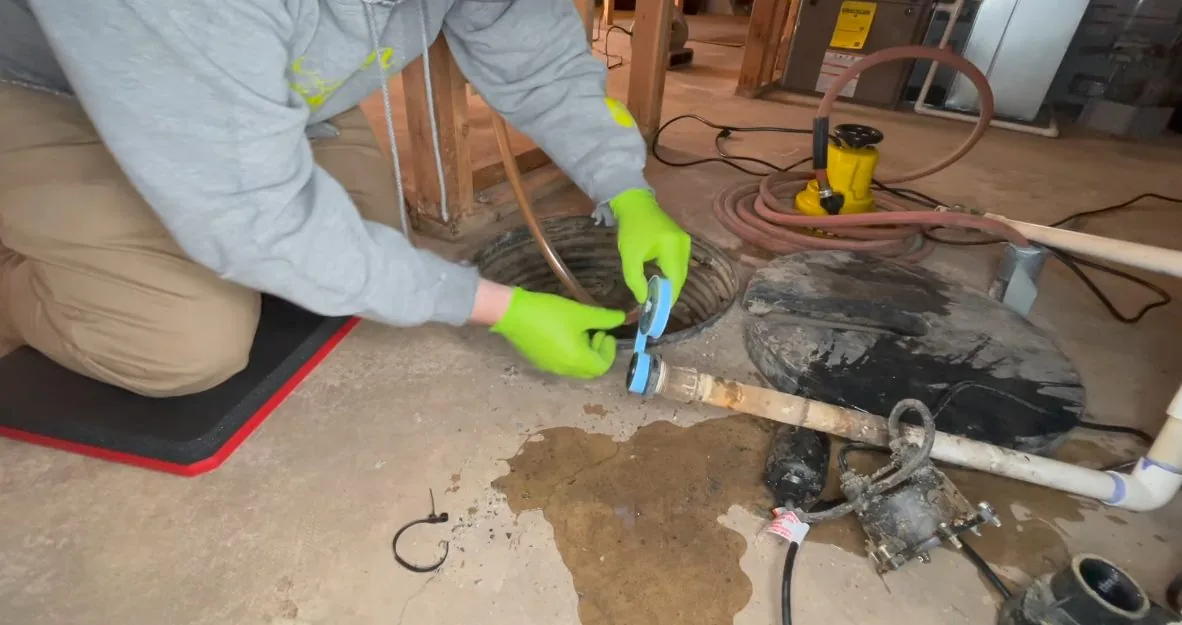
An interior drain, often called a French drain, is a perforated pipe in a trench along the inside edge of the floor. It collects water that reaches the wall and floor joint and carries it away.
A wall vapor barrier is a sheet system on the wall that keeps moisture from reaching the finished surface and directs it down to the drain. It manages dampness. It does not stop water from entering.
Ask the contractor what the system does, where the water goes and how that part is maintained.
Mold
Mold and damaged materials
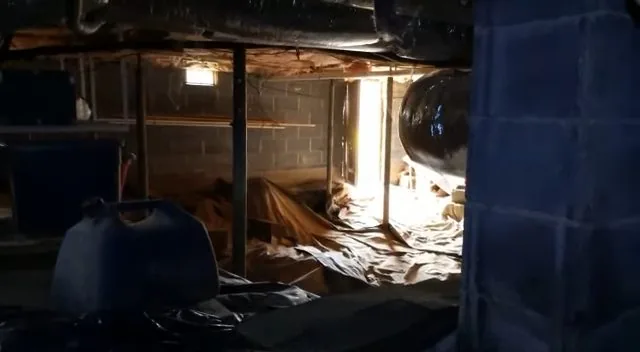
Persistent dampness grows mold on drywall, wood and stored belongings. Surface mold on hard materials can be cleaned, but porous materials such as drywall and carpet that stayed wet often have to come out.
If water has already damaged a finished space, the work of drying and removal is covered on the water damage removal and drying page.
Choosing a contractor
Questions to ask before you agree to waterproofing
Waterproofing quotes vary widely in scope. Put the same questions to each contractor.
- What is the source of the water, and how did you find that?
- What outside fixes would you recommend first?
- What exactly does the system do, and what does it not do?
- What happens to the collected water?
- What does the written warranty cover, and who honors it?
Be wary of a pitch that offers a single fix for every basement without an inspection.
What you see
Efflorescence, odors and stains: what they say about the wall
A white, powdery crust on a masonry wall is efflorescence, left behind as water carrying minerals moves through the wall and evaporates. It means moisture is passing through the wall, though not how much.
A musty smell without any visible water suggests humidity or a hidden damp spot. Rust at the base of a furnace or water heater, peeling paint on the lower wall and warped baseboards point to long-term dampness.
Horizontal cracks in a block wall deserve a structural professional, not a waterproofing salesperson. Vertical hairline cracks that seep after rain are more often a water-entry question.
Write down what you see and when, with photographs. That record helps any contractor, and it lets you compare the quotes against the same facts.
Humidity
When the problem is humidity, not leaks
Warm humid air meets a cool basement wall or a cold water pipe and condenses. The surface looks wet, and the room smells damp, but no water is entering.
A dehumidifier, sealed ductwork and insulated cold-water pipes often help more than any interior drain. A contractor who proposes a drain system for a condensation problem is selling the wrong fix.
A simple test: tape a square of plastic wrap to the wall for a couple of days. Moisture on the room side of the plastic means condensation. Moisture behind it means water is coming through the wall.
Protecting belongings
Protecting boxes and belongings while you find the water source
While you work out the cause, lift boxes onto shelves and pallets, keep cardboard away from the walls and avoid storing documents or electronics on the floor. Cardboard wicks water and feeds mold. Plastic bins with lids cope better.
If water has already reached stored belongings or finished walls, the guidance on drying and removal is on the water damage page, and the first step is to stop adding moisture.
Next step
Calling about a damp basement
Tell the dispatcher what the house sits on, when the water appears and whether it tracks with rain. The dispatch line routes your call to an independent plumber serving your area. Ask for a scope and a price in writing. Ranges are on the cost page for waterproofing.
Questions
Waterproofing questions
Does a Clemmons home need basement waterproofing?
Only if it has a below-grade space with water entering. Many homes sit on slabs or crawl spaces. Check where and when the water appears before paying for any system.
What should I fix outside before waterproofing inside?
Gutters and downspouts that empty at the wall, ground that slopes toward the house and uncovered window wells.
What does an interior French drain do?
It collects water that reaches the wall and floor joint through a perforated pipe in a trench and carries it away. It manages water already inside.
Browse a page of plumbing answers on one page.
Damp basement or lower level?
Tell the dispatcher what the house sits on, and the call will be routed to a plumber serving Clemmons.
TALK TO A PLUMBER(336) 388-6216