
Toilet repair, Clemmons NC
Toilet Installation and Repair in Clemmons, NC, From Running Tanks to Relocation
The toilet runs on its own, rocks on the floor, will not flush or is simply due for replacement. Most problems come down to a few parts, and a few need a plumber.
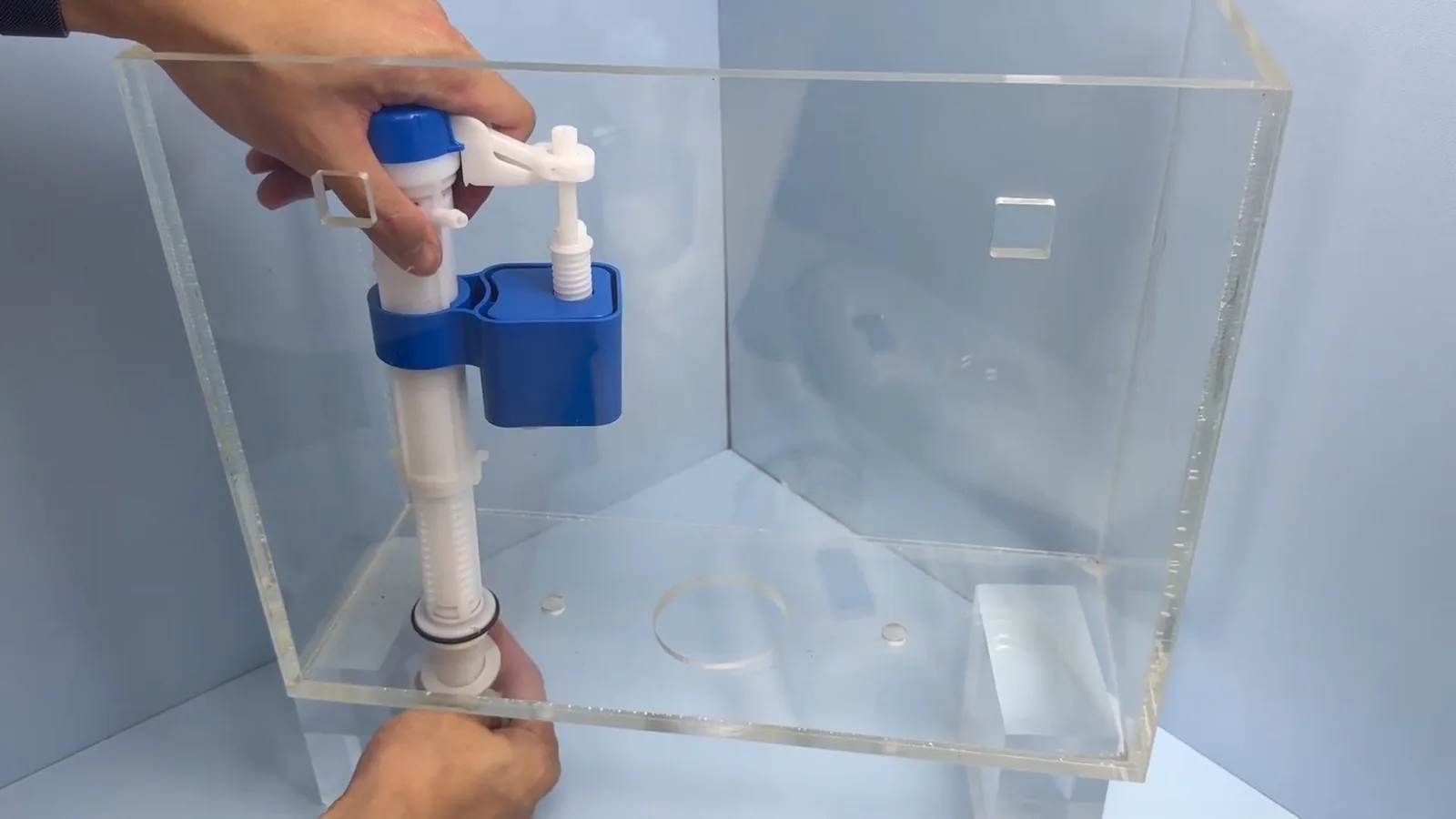
Running tank
A toilet that runs on its own: find the silent leak
A running toilet wastes water without any visible leak. The cause is almost always the flapper, the fill valve or the float.
Do a simple dye test. Put a few drops of food coloring in the tank and wait without flushing. If color appears in the bowl, the flapper is leaking. That is the usual diagnosis and a small part to replace.
- Flapper leaks: replace the rubber flapper at the bottom of the tank.
- Water keeps filling and flows into the overflow tube: lower the float or replace the fill valve.
- The chain is too short or too long and holds the flapper open: adjust it.
These are safe homeowner steps. If the problem returns after the new parts, call a plumber.
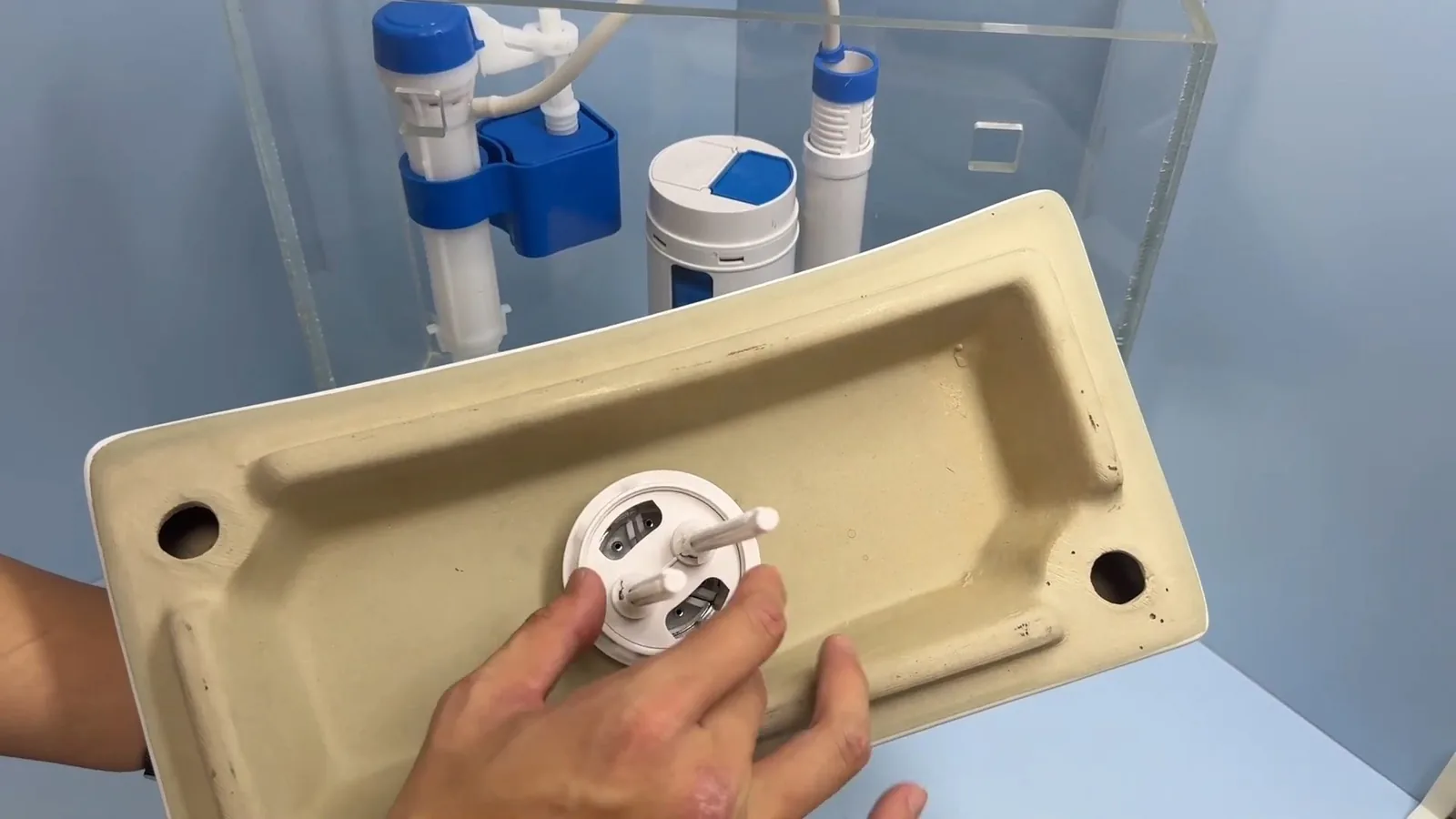
Clogs
A clogged toilet: when to plunge and when to stop
Use a flange plunger, which has an extended rubber lip, and cover the whole drain opening. Push gently first to expel air, then plunge firmly. Two or three rounds usually clear a simple clog.
If the water rises toward the rim, stop and do not flush again. Close the supply valve behind the toilet. If other fixtures are slow or the water rises in a tub or floor drain when you flush, the blockage is further down the line, and the page on sewer line inspection explains what that means.
Toilet clogs stay here, not on the drain page, because the fix and the fault differ. A toilet that clogs repeatedly with no other fixture involved can be a problem with the toilet, its trap or the drain just behind it.
Water rising in the bowl? Close the valve behind the toilet and call.
CALL NOW(336) 388-6216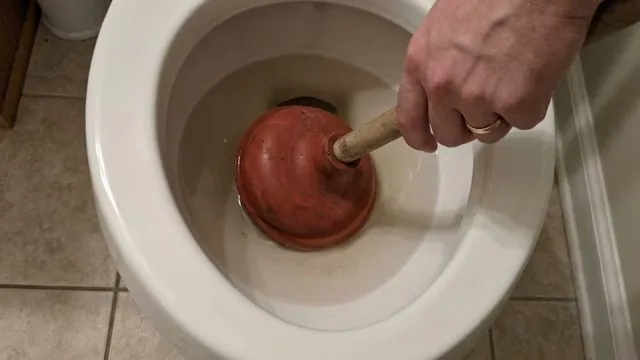
Base
A toilet that rocks or leaks at the base
Water around the base of the toilet usually means the wax ring beneath it has failed. A toilet that rocks has loose bolts or an uneven floor, and the rocking breaks that seal.
Replacing a wax ring means lifting the toilet, which is heavy, and refitting it correctly. A leak at the base can also rot the floor under the toilet, so catch it early.
A toilet that is cracked in the bowl or tank cannot be repaired and needs replacing.
Replacement
Installing a new toilet: what to check before you buy
Toilets differ in more than looks. Check the rough-in, the distance from the wall to the center of the drain, because most are made for a 12 inch rough-in and some houses differ. Check the bowl shape, the height and the flush type.
Installation is more than swapping boxes. The flange must be sound and level, the shutoff valve working and the supply line sound. A new toilet on a damaged flange leaks.
Ask the installer to remove and dispose of the old toilet and to test for leaks after setting the new one.
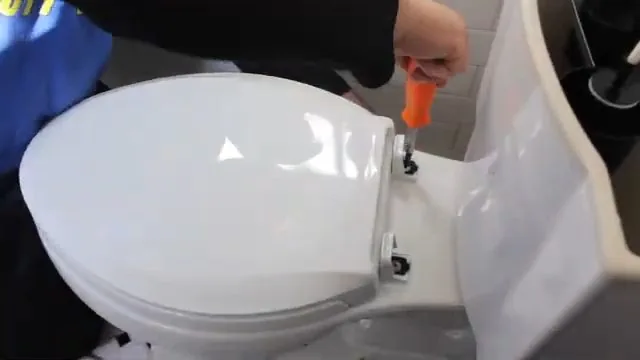
Flush type
Dual-flush and high-efficiency toilets
A dual-flush toilet has two buttons, a lighter flush for liquid waste and a fuller one for solids. High-efficiency models use less water per flush and are made in many designs.
They suit most homes, but ask whether the drain line slope and the pipe size support the model. In an older home with a long run to the main, a toilet with weak flushing power may clog more easily. Ask how the model performs, not only how much water it saves.
Moving it
Relocating a toilet
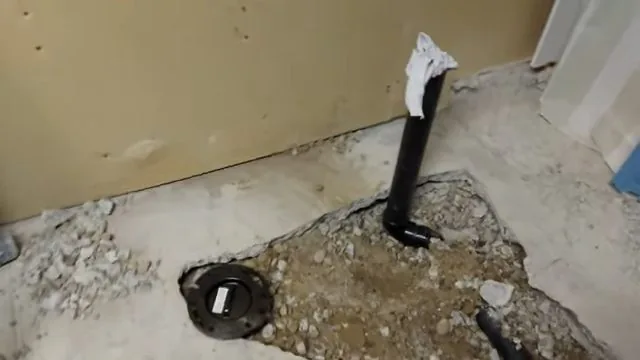
Moving a toilet means moving its drain and vent. It involves opening the floor, rerouting pipe and often cutting into the structure, and it is the biggest toilet job there is.
North Carolina's permit rules treat adding or moving plumbing differently from a like-for-like swap. Ask the contractor which permits apply and who pulls them. A remodel that includes moving plumbing is covered in the section of the umbrella plumbing page on renovation work.
Height and fit
Comfort height, bowl shape and space around the toilet
Standard toilet seats sit lower than chair height, and comfort-height models sit a few inches higher, which many adults and older people find easier. Elongated bowls are more comfortable than round ones but need more room.
Check the clearance from the center of the drain to the side wall and to the tub or vanity. Building codes set minimums, and a new toilet that fits on paper can still be tight in a small bathroom. Bring the measurements when you shop or call.
In a bathroom that serves someone with limited mobility, ask the installer about height, seat style and grab bar placement before the toilet is set.
Next step
Calling about a toilet
Tell the dispatcher what the toilet does, whether water is on the floor and what has been tried. The dispatch line routes your call to an independent plumber serving your area. Ask for the price and what is included. Typical ranges are on the cost page for toilets.
Questions
Toilet questions
Why does my toilet run on its own?
Usually a leaking flapper, a worn fill valve or a misadjusted float. A few drops of food coloring in the tank show whether the flapper leaks into the bowl.
Should I use a drain cleaner in a clogged toilet?
No. Use a flange plunger. Chemical cleaners can damage fixtures and leave caustic water in the bowl for a plumber to handle.
Can a toilet be moved to another spot?
Yes, but it involves rerouting the drain and vent and usually opening the floor. Ask which permits apply.
Browse all the common questions on one page.
Running, clogged or ready to replace?
Tell the dispatcher what the toilet does, and the call will be routed to a plumber serving Clemmons.
TALK TO A PLUMBER(336) 388-6216