
Trenchless pipe lining, Clemmons NC
Trenchless Pipe Lining in Clemmons, NC Compared With Digging Up the Line
A cracked or root-damaged line usually means a trench across the yard. Relining repairs the pipe from inside, but only when the pipe and the damage allow it.
The method
How pipe lining works
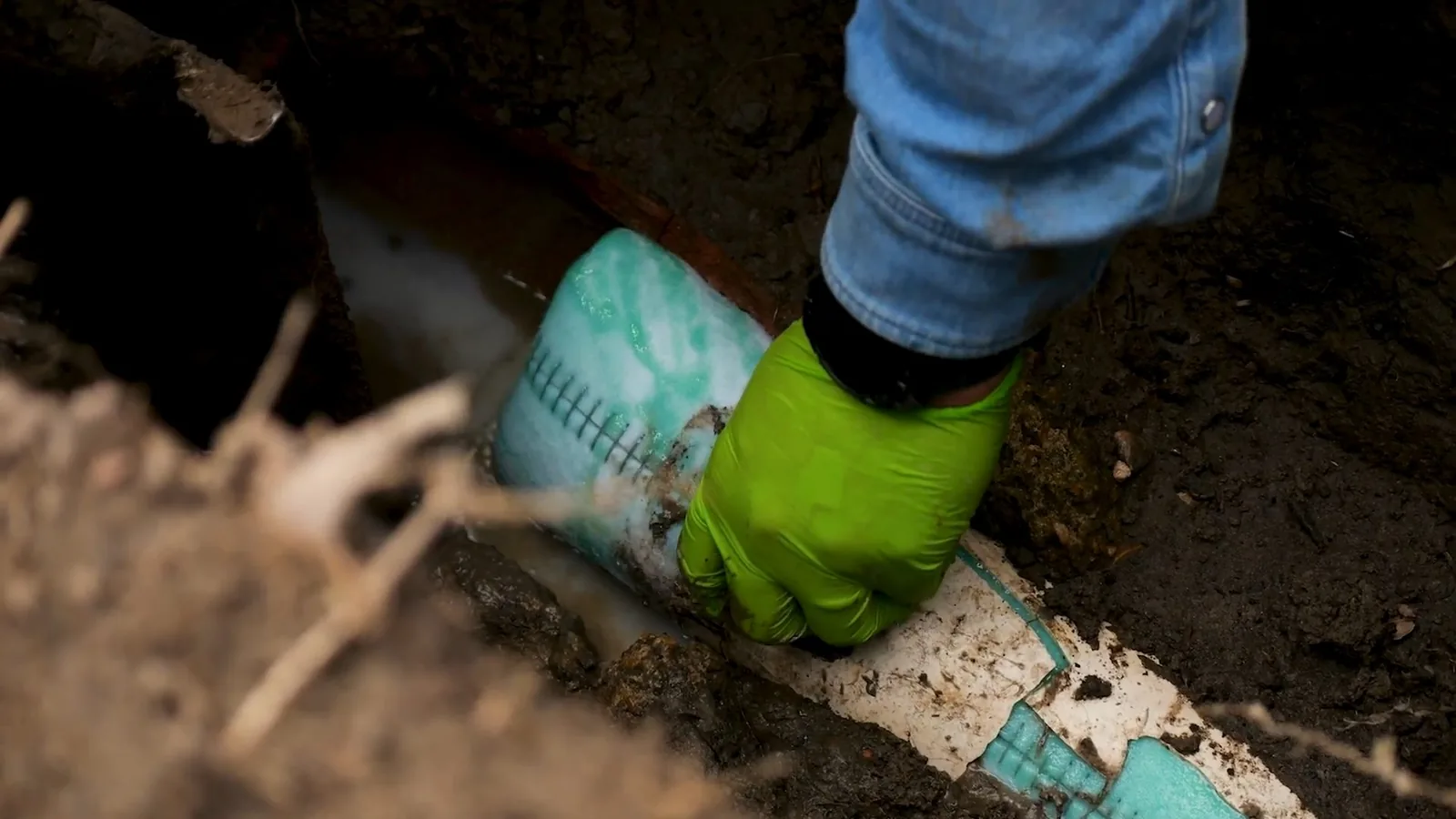
Cured-in-place pipe lining, often shortened to CIPP, repairs a damaged pipe from the inside. A flexible tube soaked in resin is pulled or inverted into the old pipe, then inflated and cured so it hardens into a new pipe inside the old one.
The old pipe stays in the ground. The new lining seals cracks, joints and root entry points, and gives a smooth interior surface. Access is through existing cleanouts or a small excavation at each end, not a trench along the full length.
Before it starts
What has to happen before a pipe is relined
Lining needs a clear, clean pipe. The plumber clears the line, often with jetting, and runs a camera to map it.
The camera answers the questions that decide the method: where the damage is, how long the run is, whether the pipe is round, whether the pipe has collapsed or has a major offset and how many bends it has.
Ask for the footage. If a contractor proposes lining without filming the pipe, ask why. The jetting step is explained on the hydro jetting page.
Roots or cracks in the sewer line? Ask for a camera inspection first.
CALL NOW(336) 388-6216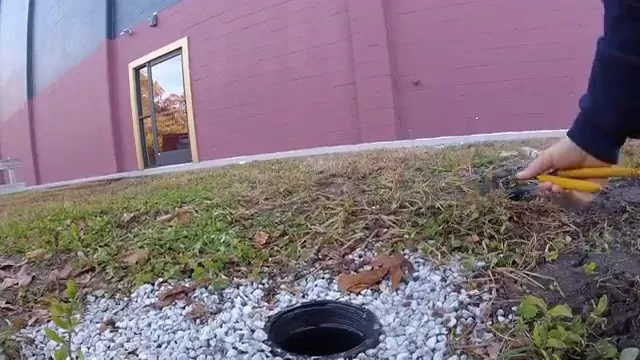
Side by side
Relining versus open-trench repair
Neither is better in every case. Each fits different damage.
Lining tends to suit
- Cracks, joint leaks and root entry in a pipe that is still round
- Lines under driveways, patios, trees or finished landscaping
- Long runs with several small defects
Open trench tends to suit
- Collapsed or badly offset pipe
- Short runs with one severe break
- Pipe with a large belly that holds water
- Lines where the pipe cannot be cleared or accessed
Lining reduces digging and disturbance but narrows the pipe slightly and does not correct a sag. Open-trench repair replaces the pipe and lets the plumber fix slope. The traditional repair is covered on the page for repairing and replacing a sewer line.
Limits
When lining does not fit
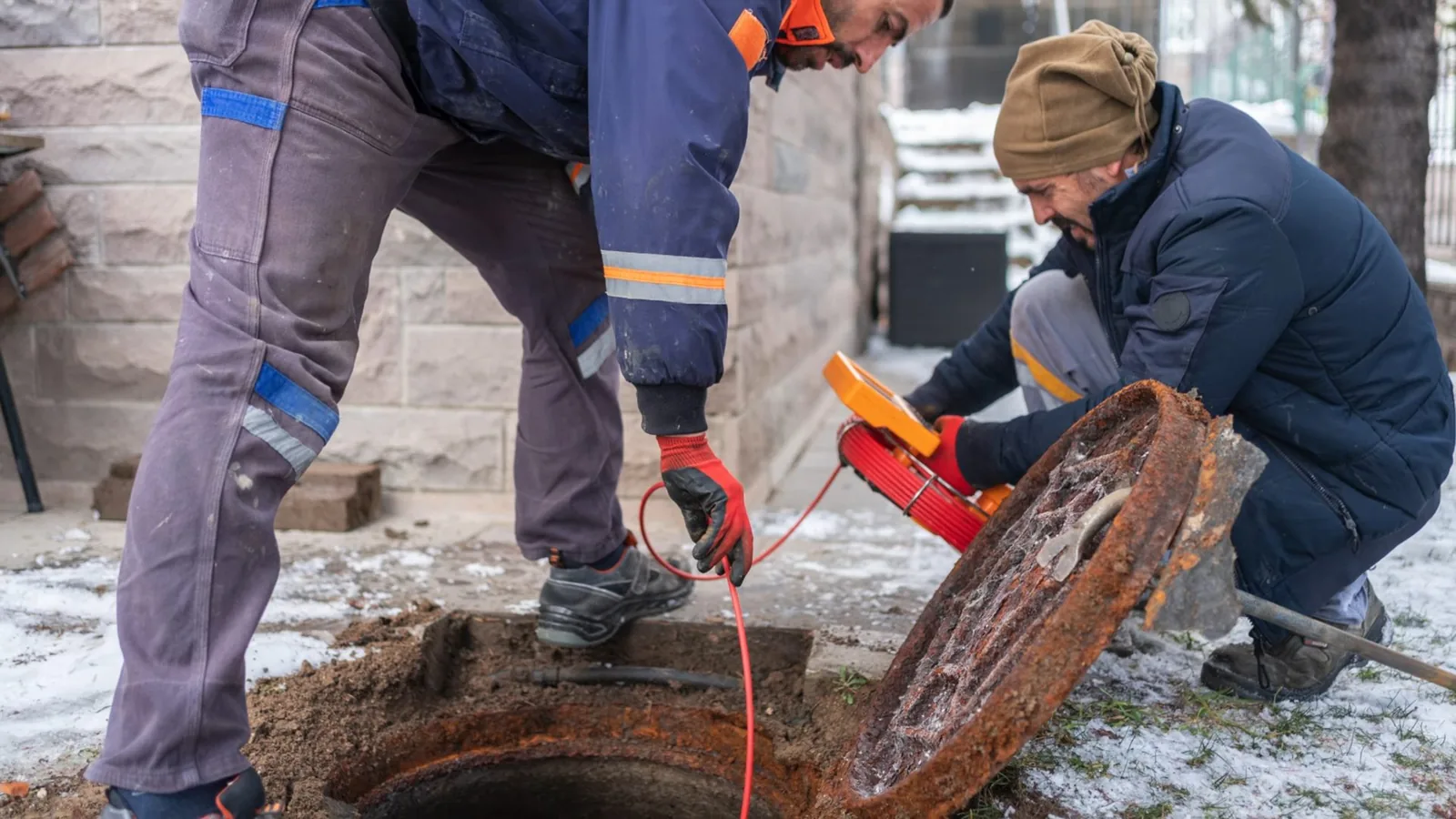
A pipe that has collapsed cannot take a liner through. A major belly that holds water stays a belly after lining. Heavy offsets at joints and sharp bends can stop the liner from passing or setting correctly.
The honest answer to "can my pipe be lined?" comes only after a camera inspection. A fast yes without one is a warning sign. The page does not claim that lining suits every pipe.
Under the floor
Rerouting a leaking line under a slab
The no-dig idea also appears in slab leak work. Instead of breaking the floor, a plumber can abandon a leaking line under the slab and run a new one overhead, or in some cases line a drain beneath the slab.
Water supply lines are different from drain lines, and not every no-dig method applies to both. The page on leaks under a concrete floor covers the supply side.
Choosing
Questions to ask before relining or digging
Put the same questions to each contractor, so the quotes are comparable.
- What did the camera show, and can I see it?
- Why does lining or trenching fit this pipe?
- What will be disturbed, and what will be restored afterwards?
- Who calls 811, and how will the private line be located?
- What does the warranty cover, and who honors it?
North Carolina 811 asks for three working days' notice before digging. Public utility lines are marked, private lines are not.
Durability
What a lining changes about the pipe's future
A good lining stops roots entering at old joints, because the joints are sealed. It does not stop roots from pressing against the outside of the pipe, and a lining installed over a pipe that is still moving or settling may not hold.
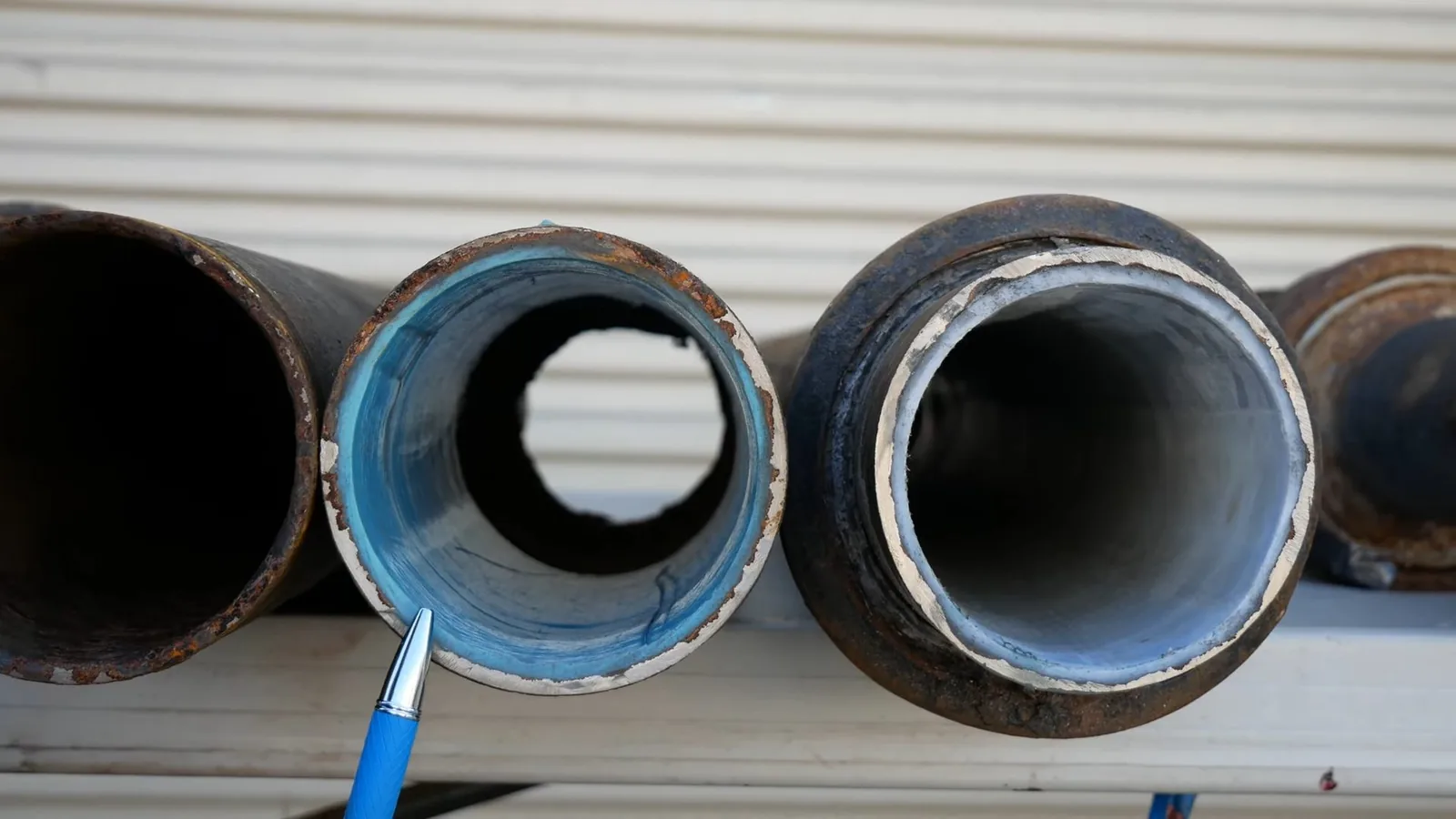
A lining also slightly reduces the pipe's inside diameter. In most residential lines that is acceptable, but ask the contractor whether it matters for yours.
Ask what the manufacturer's expected life is for the lining system, who warrants it and what the warranty requires you to do. Do not accept a verbal promise.
Paperwork
After relining: camera recording, liner details and warranty
Ask for a before-and-after camera recording, the length and size of the lined section, the type of liner used and the written warranty. If the work was part of a property sale or an insurance claim, share the footage with the right people.
If the work was done near a public sewer connection, the utility may want to see evidence. The Winston-Salem/Forsyth County Utilities backup process asks plumbers to record the service line on camera and pass the evidence on. See the emergency plumbing page for the first steps after a backup.
Next step
Calling about a damaged sewer line
Tell the dispatcher what the symptoms are and whether a camera inspection has been done. The dispatch line routes your call to an independent plumber serving your area. Ask for the price and the scope. Ranges are on the cost page for lining and repair.
Questions
Lining versus digging, answered
When is trenchless pipe lining better than digging up a sewer line?
When the pipe is still round and the damage is cracks, joint leaks or root entry, especially under landscaping or hard surfaces. It does not fit collapsed or badly offset pipe.
Does lining fit every pipe?
No. A camera inspection decides. Collapsed pipes, major bellies and sharp offsets can rule it out.
Does a lined pipe need a permit?
Ask the contractor. Permit rules for plumbing work vary with what changes, and local requirements can add to the state's.
Browse further answers on one page.
Damaged line and a yard you want to keep?
Tell the dispatcher about the symptoms, and the call will be routed to a plumber serving Clemmons.
TALK TO A PLUMBER(336) 388-6216